
13 Mar 2026
FDA approval in the US comes alongside VMD approval in the UK and follows European Commission approval last year.

Vet Times
Job Title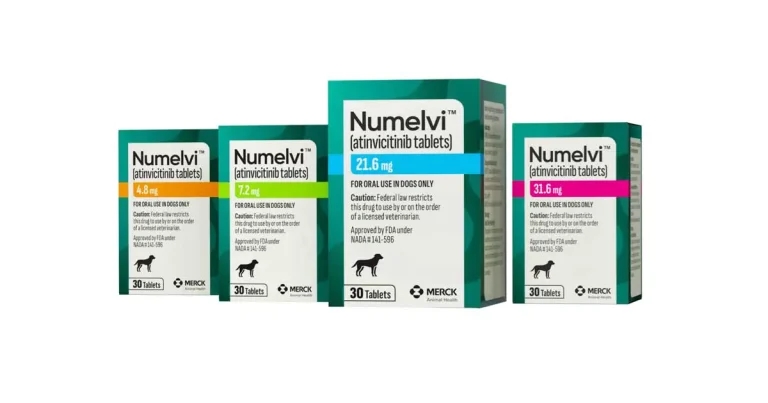
The US Food and Drug Administration (FDA) has approved Numelvi, a new once-daily, first-line treatment for pruritus in dogs, for the United States market.
The atinvicitinib tablets are described as the first and only second-generation Janus kinase (JAK) inhibitor indicated for the control of pruritus associated with allergic dermatitis.
Suitable for dogs aged six months and older – said to be the only medication in its class approved for dogs that young – Numelvi is described as highly selective for the JAK1 enzyme.
By being highly selective, it inhibits the main driver of itching and inflammation in allergic dermatitis but minimises interference with the beneficial immune functions of other JAK enzymes.
In the US, Numelvi is available in four tablet sizes including one suitable for dogs as small as 2kg, and it is said to begin working within two to four hours of administration around feeding time.
Christine McKinney, senior professional services veterinarian of dermatology at Merck Animal Health, said: “By reducing chronic itching, Numelvi can help prevent the chewing, licking and scratching that leads to skin damage, infections, pain and poor sleep in affected dogs.
“Better control of allergic dermatitis is expected to improve dogs’ overall comfort, activity levels and skin health.”
Dr McKinney suggested the medication can also address the negative impact allergic dermatitis can have on owners’ relationships with their pets.
She said: “For owners, seeing their dog finally comfortable often brings significant emotional relief while reducing frustration and the need for vet visits during flare-ups.
“As dogs become more relaxed, playful and interactive, families can return to normal routines, restoring quality time together – which tends to strengthen the human-animal bond.”
Numelvi is expected to be available at veterinary clinics and hospitals nationwide this spring.
The product was approved by the European Commission last summer and was also approved by the VMD in the UK in February.