
8 May 2026
Clinician navigated freezing medical equipment and having to maintain respiratory rates at high altitude.

Chris Simpson
Job Title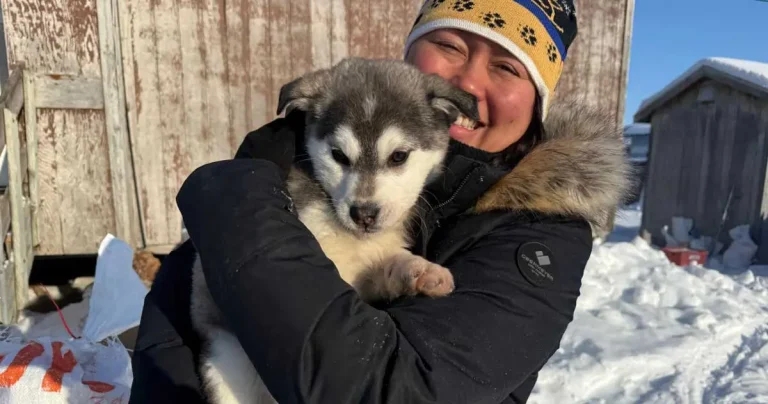
Dr Othman and another husky pup on the trail.
A vet who helped save a dog competing in a 1,000-mile Alaskan sled race has opened up about her “addicting” experience as a volunteer.
Neda Othman braved sub-zero conditions as she led a medical evacuation deep in the remote Alaskan trail after a dog became unwell during this year’s prestigious Iditarod Trail Sled Dog Race.
Dr Othman was one of around 45 veterinary volunteers caring for dogs during the 54th edition of the annual race, which runs from Anchorage to Nome.
Snowflake, a four-year-old Alaskan husky, had to be flown out of the Unalakleet checkpoint – one of four Dr Othman worked during the competition, more than 700 miles in – with suspected pneumonia after showing signs of fatigue, laboured breathing and failing to respond to IV antibiotics.
After the decision was made to evacuate Snowflake, Dr Othman transported the dog from the checkpoint to the landing strip via snowmobile, where the vet said the -43°C temperatures posed “very real challenges”.
She said: “We had wrapped the IV catheter with a heat pack and VetWrap to prevent it from freezing as he was loaded into the bush plane, which worked well.
“Instead, the fluid line froze during that short trip to the plane. I stuffed it through my coat to thaw it with my own body heat. I held up his fluid bag the whole flight because there was nowhere to hang it up inside the bush plane.”
Dr Othman managed the drip rate from Snowflake’s IV fluid bag and monitored his respiration throughout the flight.
She said: “It was really neat from a medical perspective to observe the increase in his rate and effort to breathe at a higher altitude, despite my own stress climbing, as I charted his increased rate and effort as we ascended from 7,000ft to 9,000ft [2,743 metres] over the Alaska Range.
“I was holding my own breath at times as we flew over the mountains – asking the pilot to reduce altitude as soon as possible – and finally relaxed when we did make it past the mountains and flew lower again, which was luckily all Snowflake needed.”
Upon reaching Anchorage, Snowflake was taken to a veterinary hospital for further treatment.
Dr Othman revealed she had been interested in the Iditarod race since learning about it in the second grade, and her desire to take part contributed to her pursuit of a career as a locum vet, to allow her the time and flexibility to pursue the goal.
Dr Othman works as a relief vet with Roo, a platform connecting locum vets with practices across the United States, which sponsored her volunteering efforts to cover many of her costs.
The former US Army veterinarian said she would not necessarily encourage other clinicians to follow in her footsteps, however.
She said: “While it was absolutely amazing for me, I can’t say it’s for everyone – you really have to be okay with roughing it in rugged accommodations, sometimes not taking showers for days, not having a proper toilet, being cold, eating trail food, waiting sometimes hours for flights to arrive.
“To me, and almost all of the volunteers I met who have come back year after year, the experience is addicting, and these challenges all melt away when we get to be part of the sled dog and musher’s world.”