
12 Apr 2026
The research includes a project to track antibiotic-resistant bacteria on pig farms and observing how resistance changes over time.

Paul Imrie
Job Title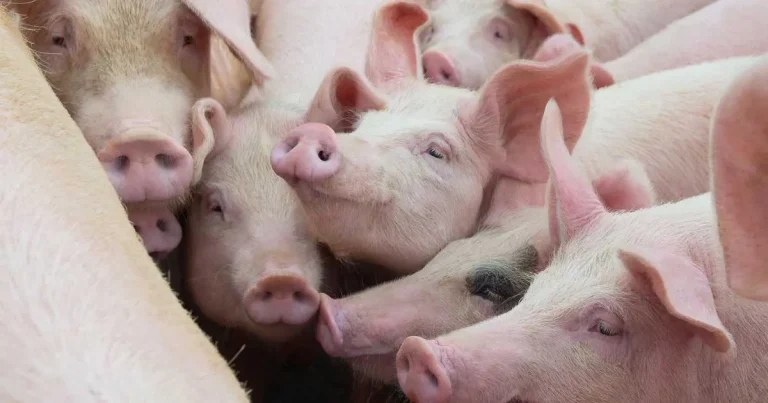
Image: deyana / Adobe Stock
An organisation working to advance antimicrobial stewardship research has announced a series of grants totalling almost US$3 million on projects refining antibiotic usage in cattle and swine.
The International Consortium for Antimicrobial Stewardship in Agriculture (ICASA), a public-private partnership created by the Foundation for Food and Agriculture Research (FFAR), has awarded grants to a trio of research projects totalling US$2,928,257.
ICASA and matching funders have awarded US$277,344 to Francisco Cabezon to track antibiotic-resistant bacteria on Midwestern pig farms.
Dr Cabezon, vice-president of research at Pipestone, which provides veterinary, nutritional and business services to pig farmers, is observing how resistance changes as animals grow and whether it is influenced by the timing and type of treatments by testing pigs of different ages over time.
Kansas State University’s (K-State) Tiruvoor Nagaraja has been awarded US$203,965 to investigate bacteria causing liver abscesses in feedlot cattle, aiming to pinpoint the source of the bacteria and determine novel targets for interventions.
K-State’s Brad White was awarded US$2,446,948 to extend his project exploring why some feedlot cattle develop fatal lung problems after getting bovine respiratory disease, and how to better predict which animals are at risk.
Dr White and a multidisciplinary research team have worked on the ICASA project since 2024 and it is said early findings have highlighted patterns that could improve how the industry identifies and manages high-risk cattle.
The grant will provide an additional year of research and brings the total ICASA investment in the project thus far to US$4,893,893.
FFAR scientific programme director Jasmine Bruno said: “Producers and veterinarians care deeply about keeping animals healthy, but too often they have to make antibiotic decisions without the science-based evidence they need.
“These research projects reduce guesswork around when and how to use these important drugs.”