
7 Aug 2026
More than 50 new incidents have been confirmed in the latest update, after officials warned numbers were rising “very rapidly”.

Allister Webb
Job Title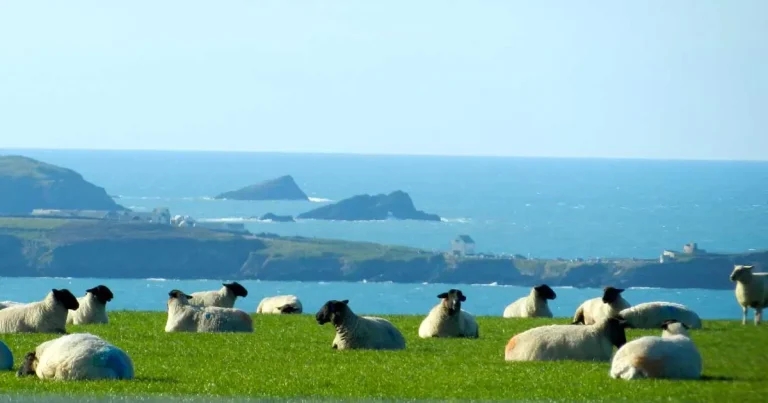
Sheep on the coast near Newquay, Cornwall. Image: cjkpics / Adobe Stock
More than 50 new bluetongue incidents have been confirmed in England and Wales, according to official figures.
Just one of the cases in the latest Defra and APHA update issued yesterday (6 August), occurred outside the south-west of England, while all but three were said to have affected sheep.
The news follows warnings at an AHDB-hosted webinar on Wednesday that case numbers were now rising “very rapidly”.
But amid repeated pleas over recent days for farmers to vaccinate their herds and flocks, industry figures say there are also emerging indications of their effectiveness on the ground.
Speaking during a media briefing earlier this week, National Sheep Association president Phil Stocker said reports from a current disease hotspot in North Devon suggested animals which were vaccinated early this season or late last season were not being affected by the virus.
He said: “That, to me, is such good evidence that this is working.
“They’ve got farms that have got vaccinated animals that aren’t showing any signs and naive animals that are unvaccinated are the ones going down.”
Boehringer Ingelheim’s livestock technical services manager Sioned Tomothy said its data indicated “a high level of protection” in vaccinated animals and the company was working with regulators and stakeholders to make more supplies of its vaccine available.
A total of 187 BTV-3 incidents are now known to have been confirmed at holdings across England and Wales since 1 July, with 53 recorded in the latest daily update alone.
More than half of the cases (98) have occurred in Devon, while the numbers in the neighbouring counties of Cornwall and Somerset have climbed to 37 and 33 respectively. The only other new case in the latest update was recorded in Staffordshire.
Fifty of the new incidents are said to have affected sheep, with only three observed in cattle.