
6 Aug 2026
Call comes amid an almost 150% increase in sales of paromomycin in the past five years.

Chris Simpson
Job Title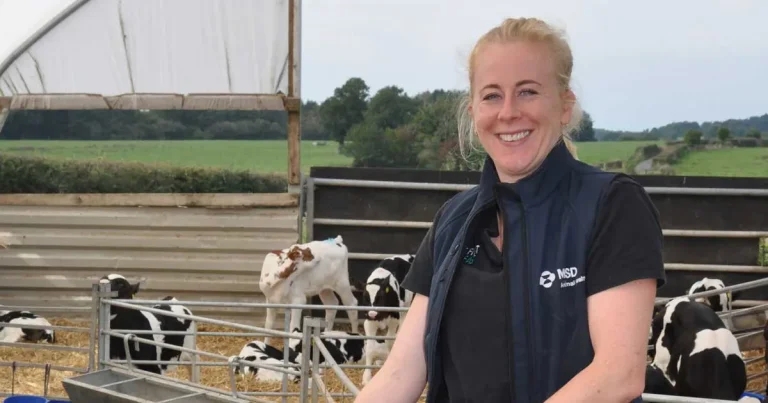
Kat Baxter-Smith, MSD Animal Health veterinary advisor.
Persistently high levels of cryptosporidiosis in calves and increasing antibiotic sales have prompted fresh calls for vets to implement vaccination into their herd health strategies.
MSD Animal Health commissioned a sector-wide report which revealed sales data showing use of the antibiotic paromomycin, licensed for the reduction in the occurrence of diarrhoea due to diagnosed Cryptosporidium parvum, has more than doubled in five years from 96kg to 233kg, a 143% increase.
In the Government’s latest quarterly report on cattle disease surveillance and emerging threats for January-March 2026, cryptosporidiosis remains the second most common bovine diagnosis and the leading enteric pathogen in neonatal and pre-weaned calves.
The rise in antibiotic usage has also sparked concerns of increasing resistance.
MSD Animal Health veterinary advisor Kat Baxter-Smith has called for a greater focus on prevention-led disease control and antimicrobial stewardship in youngstock systems.
She said: “Management of cryptosporidiosis requires a multi-pronged approach, as there is no silver bullet for its control.
“MSD has developed a Five-Point Plan for Cryptosporidiosis Control that focuses on stopping the spread of the microscopic parasite cryptosporidium by focusing on diagnosis, colostrum management, environment and management, prevention and treatment.”
Dr Baxter-Smith described the plan as “a good starting point” to help farmers and their vets identify the areas requiring attention.
The vet pointed to the Bovilis Cryptium vaccine, which can be administered to the dam in the third trimester, stimulating antibody production, which is transferred to the calf via colostrum and transition milk.
She said vaccination is just one part of the plan, but when used alongside other elements it has been shown to help reduce disease impact in young calves and reduce reliance on antibiotics in turn.
Dr Baxter-Smith added: “Every case of diarrhoea that can be prevented is potentially one less calf requiring treatment. Prevention isn’t just good for calf health; it also helps protect the effectiveness of antibiotics for the future and saves money and time.
“If we are serious about improving calf health and tackling antimicrobial resistance, preventative management must remain the foundation of every herd health strategy.”