
11 Feb 2026
A study examined the B3.13 genotype of H5N1, which has been circulating in US dairy herds since 2024.

Chris Simpson
Job Title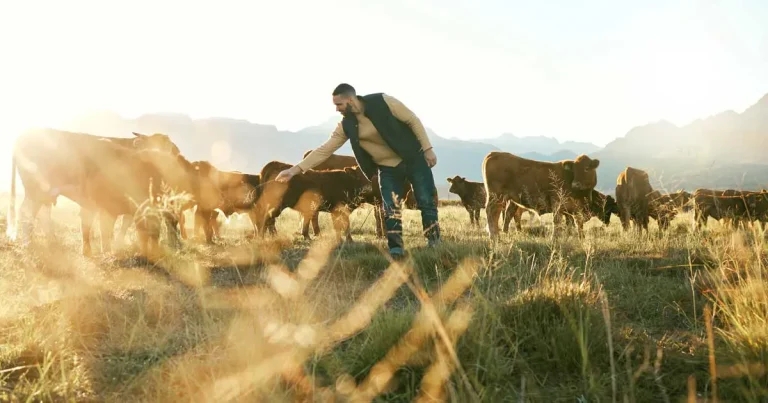
Cattle in Texas. Image: Kay A/peopleimages.com / Adobe Stock
Researchers have stressed the need for ongoing surveillance after two studies tracking avian influenza’s ability to adapt to other species returned “concerning” results.
One study, published in Nature Communications, examined the B3.13 genotype of H5N1, which has been circulating in US dairy herds since 2024.
Researchers discovered several mammalian adaptations in cattle, enhancing replication in bovine and human cells.
One such mutation (PB2 M631L) was found in all cattle virus sequences studied, while another – PA K497R – appeared in around 95%. The former was described as “the key adaptive mutation” that allowed the B3.13 genotype to efficiently replicate in cattle.
Further mutations, PB2 E627K and PB2 D740N, were said to indicate ongoing adaptation of H5N1 viruses to further optimise polymerase function in cattle. Both appeared to have little or no negative impact on replication in birds, suggesting the mutations could be maintained if the viruses spill back into avian species.
The study concluded that, “in the absence of an effective control strategy, the high pathogenicity H5N1 virus may now become endemic in US dairy cattle” and that urgent vaccine development and testing is a “priority”.
Thomas Peacock, co-corresponding author and fellow at The Pirbright Institute, said: “Our results show the circulation of H5N1 in dairy cattle is actively driving viral adaptation to mammals. This improves the virus’ ability to replicate in cattle and heightens the risk of zoonotic spillover.
“Infections in humans linked to the cattle outbreak have so far been mild and limited, but the findings are concerning. The adapted cattle virus replicates efficiently in human cells, retains the ability to infect birds and swine, and shows no clear fitness cost that would prevent it from spreading between species.
“While current evidence suggests it does not yet transmit efficiently between humans, continued exposure and viral evolution increase the risk of further adaptations that could change this.”
Since it first emerged in cattle in the US in 2024, 1,084 herds in 19 states have had confirmed cases, and there have also been 71 human cases resulting in two deaths.
In the other study, also published in Nature Communications, researchers examined a panel of more than 80 viruses, representing 15 distinct H5Nx genotypes spanning 60 years of evolution.
They discovered some of the more recent clade 2.3.4.4b H5N1 viruses are better able to infect and replicate in bovine cells and tissues than some older variants, and that the spread of such viruses in mammals increases the pool of variants carrying genetic traits that counteract an important human barrier against zoonotic influenza. Overall, they said their findings “suggest the zoonotic potential of H5N1 2.3.4.4b is relatively high”.
Pablo Murcia, of the MRC–University of Glasgow Centre for Virus Research, a co-author on both papers, said: “Influenza viruses are constantly changing and this rapid evolution allows them to infect new animal species.
“If the viruses start spreading among domestic animals, the chances of zoonotic infections increase, given the high contact rate of humans with domestic animals. The more the viruses adapt to mammals, the more likely is that they might adapt to humans.
“Surveillance and biosecurity measures are essential to control influenza in animals.”