
4 Feb 2026
Cull plea issued as bTB licences expire
Campaigners are worried culling could remain part of future control policies despite a Government pledge to end the controversial programme.

Allister Webb
Job Title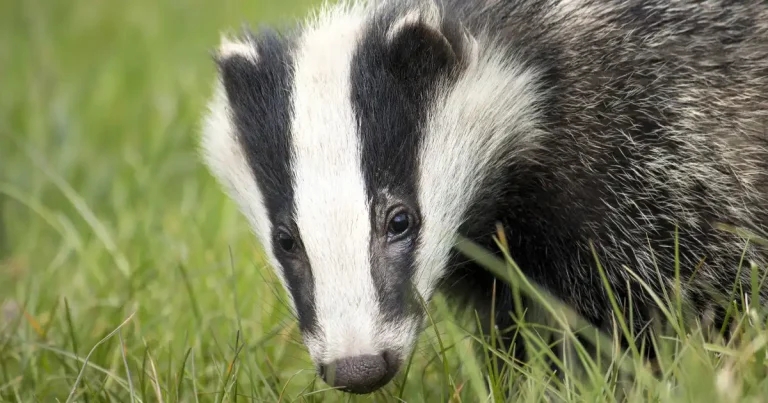
Government officials have been urged not to return to the “ineffective and inhumane policies of the past” as they shape future efforts to combat bTB.
The plea was made in a joint statement signed by eight welfare and wildlife organisations to mark the expiry of most badger culling licences in England.
But Defra has insisted its new forthcoming control strategy will focus on strengthening cattle surveillance and testing protocols.
Officials say culling activity has now “permanently ceased” in 20 out of 21 licensed areas after the permits expired at the end of January.
But while they supported that move, anti-cull organisations have called for the sole remaining licence, in Cumbria, to be terminated too.
‘Ineffective and inhumane’
The groups, including the Badger Trust, RSPCA and Born Free Foundation, said they remained concerned that culling could still be retained when the Government’s new eradication strategy is finalised.
They also argued that a Defra-commissioned evidence review conceded there had been “no significant reduction” in disease levels during the cull period.
The statement said: “We must not return to the ineffective and inhumane policies of previous governments, which resulted in the loss of over half the estimated badger population in England, and poor outcomes for farmers.
“There is a better way forward for farmers, badgers, and for communities across the country.”
The statement, whose other signatories included Humane World for Animals, the Jane Goodall Institute, the League Against Cruel Sports, Wild Justice and Wildlife and Countryside Link, also accused Defra of promoting badger vaccination as the “primary method” of controlling bTB in cattle, despite a lack of evidence for its impact.
Surveillance foundation
But the department insisted the tool was intended to support, rather than replace, cattle-focused actions.
A spokesperson said: “Bovine TB remains one of the most difficult and persistent animal health challenges, causing devastation for farmers and rural communities.
“While measures aimed at wildlife can be important tools for disease control, cattle testing and surveillance is, and always has been, the foundation of our bovine TB strategy – and we are strengthening those cattle measures even further.”
Defra also indicated it hopes to publish its new control strategy in the spring and said the Cumbria cull licence would be the subject of an annual review.