
26 Jun 2026
Campaigners have claimed current guidance is insufficient to protect farmed animals from extreme heat amid the current record temperatures.

Allister Webb
Job Title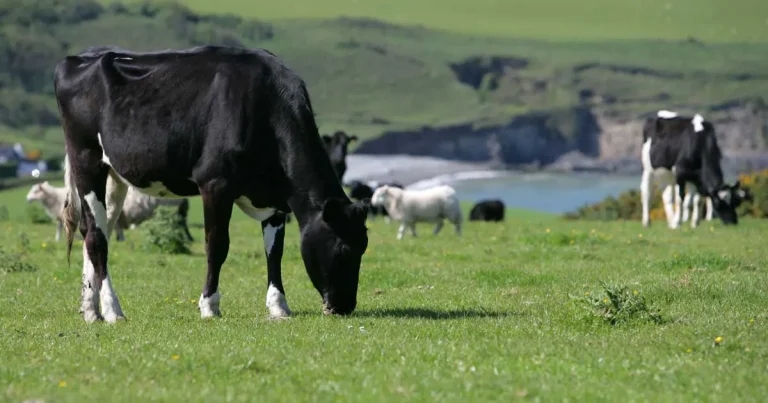
Image: Chris Brignell / Adobe Stock
A campaign group has warned of a major welfare “blind spot” over the impact of extreme heat on farmed animals.
With the current record-breaking temperatures expected to peak today (26 June), Humane World for Animals UK said more needed to be done to “close the data gap” on the issue.
Senior campaigns and public affairs director Claire Bass said: “If we do not know how many farmed animals are suffering, collapsing or dying in heatwaves, we cannot know whether existing protections are working.”
The group is calling for the development of species-specific guidance to reduce heat-related suffering plus a national review of farmed animal housing.
It also wants a new system of data collection and the inclusion of farmed animals in climate adaptation planning.
The AHDB has described the current heatwave as “particularly challenging” because of the lack of overnight relief and has urged farmers to take a range of measures to protect their herds and flocks.
It has also developed resilience planning resources to help producers take practical actions to ensure long-term protection.
Meanwhile, official Government advice says farmers should take “reasonable steps” to protect their animals from extreme heat, be familiar with the signs of heat stress and take specialist advice when in doubt.
It also suggests contacting the APHA or the farm’s local authority in an emergency.
But campaigners fear that is inadequate and say the needs of farmed animals should receive similar consideration to those of pets.
Ms Bass said: “We rightly recoil at the thought of dogs being left in conditions where they could suffer or die from extreme heat.
“That same compassion must extend to pigs, chickens and other farmed animals, whose lives are increasingly – but so far invisibly – being put at risk by more frequent and intense heatwaves.
“These are sentient animals who can experience distress, pain and fear. Yet the UK has no clear national picture of how many farmed animals are suffering or dying during extreme heat.
“That is a serious blind spot in our climate planning and animal welfare system.”