
27 Jan 2026
Clinician recommends farmers discuss risk and grazing management with their vet as part of wider herd health plan.

Chris Simpson
Job Title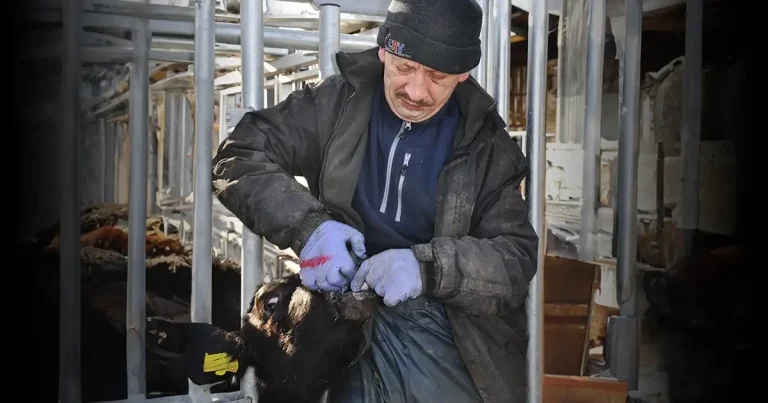
Studies have shown some parasiticides are failing to control lungworms in cattle.
Farmers are being urged to consult with vets to develop tailored lungworm vaccination plans amid rising anthelmintic resistance.
Studies have demonstrated parasiticides such as ivermectin and moxidectin are failing to control lungworms in cattle.
Kat Baxter-Smith, veterinary advisor to MSD Animal Health, said: “There’s been a ten-fold increase in lungworm infections since the mid-1990s – particularly in Scotland and northern England.
“Between the 2018 and 2024, cases of parasitic pneumonia diagnosed and reported to the GB Veterinary Investigation Diagnosis Network rose by 100% across the UK.”
She said that amid growing evidence of resistance, “we need to prioritise sustainable practices like vaccination”, which “stimulates immunity through controlled exposure to irradiated larvae, offering long-lasting protection without driving resistance”.
Although lungworm is said to be most common in young cattle in their first or second season of grazing, Dr Baxter-Smith noted the importance of vaccinating pre-turnout amid anecdotal on-farm reports and government data suggesting lungworm is being seen in many adult cattle.
She added: “Clinical disease in adult cattle can occur late in the season due to a lack of immunity from natural challenge, immunosuppression from other disease, or very high worm burdens. This reinforces the need for protection through vaccination.”
The vet recommended administering two doses of Bovilis Huskvac four weeks apart ahead of turnout on farms where lungworm is a risk, to help cattle build immunity before they are exposed to the parasite on pasture.
She concluded: “Every farm is different. Talk to your vet about your grazing system, the age of animals at risk, and the worming policy you use.
“A vaccination plan tailored to your farm can help safeguard herd health, reduce financial losses, and protect the efficacy of the wormers we still have.”