
21 Aug 2026
Local restrictions are in place in the area where the virus has been detected with nationwide rules set to follow.

Allister Webb
Job Title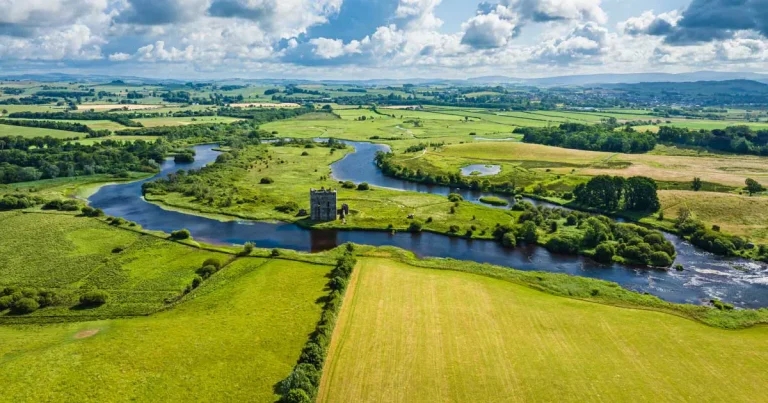
Dumfries and Galloway. Image: Maciej Olszewski / Adobe Stock
Farmers in Scotland are being urged to secure vaccine supplies now as tougher rules are introduced to combat the ongoing bluetongue outbreak.
A temporary control zone has been set up in Dumfries and Galloway, where six BTV-3 incidents have been confirmed so far.
From tomorrow (22 August) ruminants travelling from Scotland to bluetongue restricted zones in the rest of the UK will be expected to return the same day, instead of being away for up to four days, to reduce the risk of disease spreading.
Then, from 10 September, all susceptible livestock coming into Scotland from restricted zones will be required to be vaccinated.
Agriculture minister Jim Fairlie said: “The recent detection of bluetongue near Lockerbie, combined with the rapid rise in cases across the rest of the UK, means we must act now to strengthen our protections and minimise risk.
“This will allow essential time for further investigations and to allow vaccine uptake levels to increase sufficiently to provide greater protective immunity across susceptible livestock in Scotland.”
Mr Fairlie thanked farmers for their “continued constructive engagement” on the issue and pledged restrictions would remain “proportionate”.
But he also echoed the appeals of senior vets and industry leaders in support of vaccinating animals against the virus.
He said: “Vaccination remains our best long-term defence, and I would strongly encourage all farmers to discuss this with their vets and place vaccine orders now to ensure access to supplies.
“We continue to work with other UK nations, manufacturers and distributors to ensure timely access to vaccine, with more doses being brought in from continental Europe and additional supplies now in production.”
As of yesterday, 517 BTV-3 incidents had been confirmed since the start of July across the UK.