
4 Jun 2026
A top government vet has claimed the country is ‘better prepared than ever’ for an outbreak under its new strategy

Allister Webb
Job Title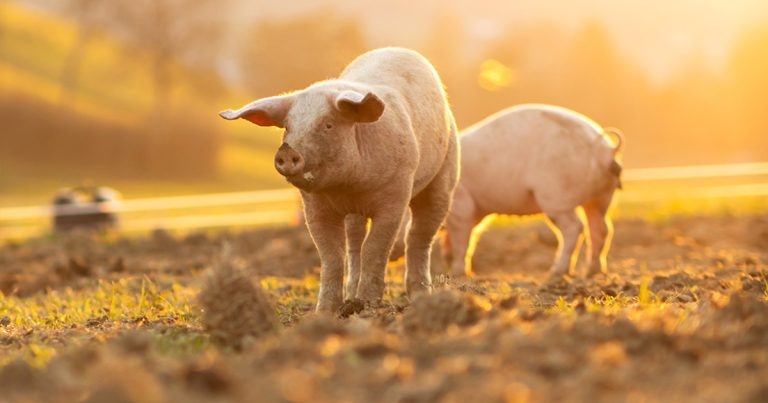
Image @ lightpoet / Adobe Stock (amended)
A new strategy, intended to combat the threat of African and classical swine fever (ASF) to the British pig industry, has been published.
Defra officials say the plan offers a “more flexible, risk-based framework” for disease control, based on latest veterinary evidence and international best practice.
Although there has not been an ASF outbreak in the UK to date, fears about the virus have grown because of its spread in Europe and concerns over the strength of existing biosecurity procedures.
Current assessments rate the risk of ASF entry to the UK from live animals or products of animal origin (POAO) from affected countries as medium.
That assessment rises to high for people importing POAOs including meat and other pork products including dog chews.
The strategy’s key measures include a plan for the deployment of up to three restricted zones, one of which would act as a buffer between infected and disease-free areas, to prevent the need for blanket movement restrictions.
Veterinary inspectors would be expected to visit premises in affected areas to ensure their compliance with restrictions, while the department argued enhanced testing would enable infections to be detected earlier.
The minimum duration of control zones would also be cut to 15 days from between 30 and 45 currently, subject to surveillance results.
UK CVO Christine Middlemiss said: “Our updated swine fever disease control strategy will ensure that we are better prepared than ever before to respond swiftly and effectively to a potential outbreak of African and classical swine fevers.
“Enhanced surveillance and flexible movement licensing will help us detect disease earlier and protect our national herd whilst maintain essential farming operations in a biosecure manner.
“Whilst the disease is not present in Great Britain, we encourage all farmers to maintain strong biosecurity standards and familiarise themselves with the new measures.”
The department said it has worked with the devolved Scottish and Welsh administrations on the plan, which it said also provided a clearer framework for the implementation of any national movement ban together with detailed cleansing and disinfection guidance.
Biosecurity minister Baroness Hayman said: “These changes will help reduce unnecessary pressures on farmers and producers, maintain high standards of welfare, and ensure we are well prepared to respond quickly and confidently to any outbreak.”