Register

Login

Vet Times logo
  • Register
  • Login
  • View all news
  • Vets news
  • Vet Nursing news
  • Business news
  • + Media
    • Videos
    • Podcasts
    • Crossword
  • View all clinical
  • Clinical hubs
  • Small animal
  • Livestock
  • Equine
  • Exotics
  • Job Seekers
  • Recruiters
  • Career Advice
About
Vet Times App
Contact Us
For Advertisers
NewsClinicalJobs

Search Articles & More

Vet Times logo

Vets

All Vets newsSmall animalLivestockEquineExoticWork and well-beingInternational

Vet Nursing

All Vet Nursing newsSmall animalLivestockEquineExoticWork and well-beingOpinion

Business

All Business newsHuman resourcesBig 6SustainabilityFinanceDigitalPractice profilesPractice developments

Media

VideosPodcastsDigital EditionCrossword

The latest veterinary news, delivered straight to your inbox.

Choose which topics you want to hear about and how often.

Vet Times logo 2

About

The team

Vet Times App

Advertise with us

Recruitment

Contact us

Vet Times logo 2

Vets

All Vets news

Small animal

Livestock

Equine

Exotic

Work and well-being

International

Vet Nursing

All Vet Nursing news

Small animal

Livestock

Equine

Exotic

Work and well-being

Opinion

Business

All Business news

Human resources

Big 6

Sustainability

Finance

Digital

Practice profiles

Practice developments

Clinical

All Clinical content

Clinical hubs

Small animal

Livestock

Equine

Exotics

Jobs

All Jobs content

Job Seekers

Recruiters

Career Advice

Media

All Media content

Videos

Podcasts

Digital Edition

Crossword


Terms and conditions

Complaints policy

Cookie policy

Privacy policy

fb-iconinsta-iconlinkedin-icontwitter-iconyoutube-icon

© Veterinary Business Development Ltd 2026

IPSO_regulated

19 Oct 2026

New year warning issued over bluetongue threat

Scientists are urging vets and farmers to plan now amid fears animals could still contract the virus in January.

author_img

Allister Webb

Job Title


New year warning issued over bluetongue threat

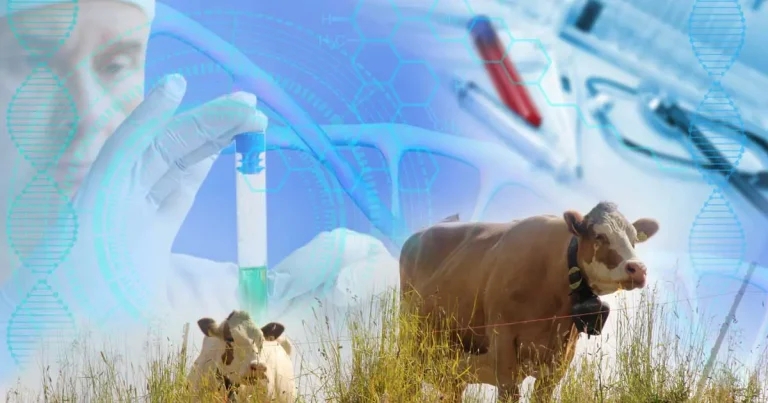
Image: kittyfly / Adobe Stock

Scientists have warned bluetongue infections could continue into the new year as they urged farmers and vets to plan their vaccination programmes this winter.

The plea from The Pirbright Institute has been issued ahead of a new AHDB-hosted webinar this week, which will examine the fertility impacts of the virus.

Latest data issued today (19 October), showed 12 new incidents had been confirmed in Britain, taking the total since the start of July to 3,424.

But Pirbright vector ecology fellow Marion England said the onset of cooler temperatures should not be interpreted as a sign the threat from the virus has passed.

Infected vectors

She said: “You could still get new infections from infected vectors right the way through until potentially the beginning of January.”

The virus is thought to need average daily temperatures of above around 12°C to replicate, though midges infected before then remain capable of transmission as long as they survive.

But Dr England said: “Midges used to disappear around November, but in the past few years they’ve continued through to the end of December or beginning of January so we’re getting a shorter window of reduced disease transmission.”

She also stressed that population levels had remained normal through this year, without signs of an impact from the ongoing drought.

This week’s webinar will take place at 5pm on Wednesday 21 October. Places can be booked via the AHDB website.