
1h ago
New biosecurity measures are now in place amid concerns of a "very high" risk of transmission from wild birds.

Allister Webb
Job Title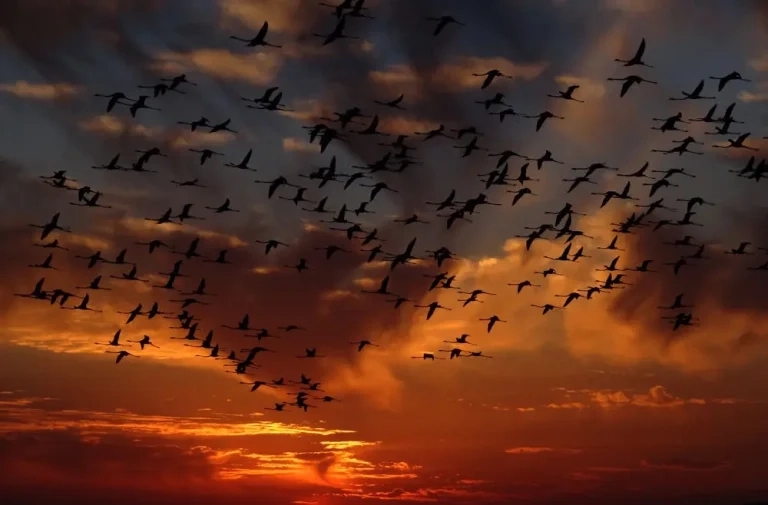
Scotland has been declared an Avian Influenza Prevention Zone.
New biosecurity measures have been introduced by the Scottish Government today (10 November) as the country was declared an Avian Influenza Prevention Zone (AIPZ).
Officials say risks from the virus are currently thought to be “very high” for poultry and other captive birds, following several cases across Great Britain in recent weeks.
Scottish CVO Sheila Voas warned there is currently a “heightened risk” of transmission from migratory birds, with cases also being reported among poultry in Belgium, Germany and Norway.
She said: “It is vital that appropriate precautions are taken to protect poultry and other captive birds from infection.
“The introduction of this zone is a preventative measure, aimed at minimising the impact this often devastating virus, can have on Scottish kept birds.
“Maintaining strict biosecurity is the most effective method of protecting birds from the virus.”
The new measures, which came into force from noon today (10 November), include requirements to clean and disinfect footwear, minimise movement in and out of enclosures, reduce existing sources of contamination and for birds to be fed and watered in enclosed areas.
Keepers will also be required to keep ducks and geese separate from other poultry, keep free-ranging birds within fenced areas and take steps to make the areas where birds are kept unattractive to wild birds by removing food sources or netting ponds.
Local restrictions are currently in place around six sites across Great Britain where avian flu has been detected. The latest incident was confirmed near the village of Dersingham, Norfolk, yesterday, 9 November.
A seventh case was reported on the Isle of Lewis, where restrictions have now been lifted, in early October.