
11 Feb 2026
Four sector organisations have warned restrictions on laboratory access could jeopardise animal welfare and wider efforts to prevent disease.

Allister Webb
Job Title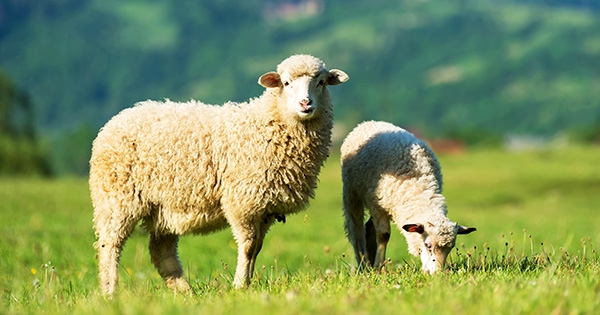
Image © byrdyak / Adobe Stock
Farm vets’ groups have demanded changes to bluetongue (BTV) testing protocols that they fear could pose wider animal welfare and disease surveillance risks if not addressed.
The BCVA, Sheep Veterinary Society and Goat Veterinary Society say they are “deeply concerned” that diagnostic access is being limited in cases where the virus is a potential cause.
The three organisations, supported by the BVA, have called for a new protocol that would enable BTV to be ruled out without preventing samples from the same case being tested for other conditions.
In a letter to government officials, they argued that wider efforts to combat the virus would be “fatally undermined” without action from Defra and the Health and Safety Executive.
They added: “Without effective diagnostics, two years of co-ordinated communications by the Battle Bluetongue collective risk being reduced to little more than reassurance without substance.”
The call has been made ahead of the upcoming lambing and calving seasons, amid fears that present laboratory requirements are restricting the investigation of abortions and other serious livestock conditions.
According to updates from Defra and the APHA, six out of 15 BTV-3 cases confirmed in England since mid-January were based on abortion reports.
But the associations warned: “Any restriction on farmers or veterinary surgeons carrying out full abortion investigations risks severe animal welfare and economic consequences, as well as potential risks to human health if zoonotic agents are not rapidly identified.
“The same principles apply to the investigation of other conditions, such as neurological disease in calves, or any situation where the presenting signs on farm could be linked to BTV infection, even in the absence of classical clinical signs of BTV in livestock.”
The letter also described a solution as “essential to support rapid on-farm diagnosis, improve animal health and welfare and reduce economic losses”.
Defra said it was aware of the letter and would respond in due course.