
13 Nov 2026
BVA Voice of the Veterinary Profession survey shows a lack of confidence among vets at the prospect of a major disease outbreak.

Chris Simpson
Job Title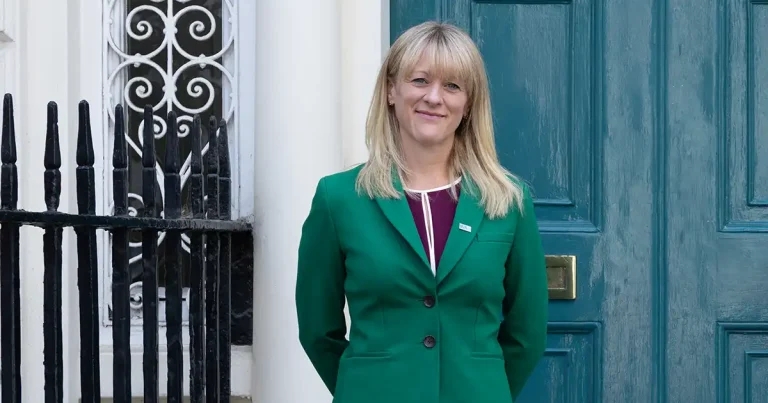
BVA president Gwen Rees highlighted disease readiness concerns following latest survey.
A list of “reservist” clinicians ready to assist with major animal disease outbreaks is among ideas officials are considering amid fresh figures showing fewer than one-third of vets feel prepared to step in, BVA president Gwen Rees has revealed.
The BVA’s latest Voice of the Veterinary Profession survey showed while 8 in 10 vets are willing to support a national crisis response, just 28 per cent felt the profession is prepared to do so and only a similar proportion felt confident in their own readiness.
Lack of training was cited by 63.5 per cent of respondents as the most common barrier to preparedness, followed by time (48 per cent), an unclear process (46 per cent), employer release (44 per cent) and a lack of confidence working with unfamiliar species or diseases (40 per cent).
Asked on the Vet Times Podcast if the profession and the Government are ready for a major outbreak, Dr Rees said: “I don’t think I’d be alone in saying no at the moment.
“We’re in a time where the risks that we face from disease incursion have never been greater, and they do seem to only be increasing.”
Dr Rees said the Government “has a huge responsibility” in ensuring the nation is prepared, but added: “I don’t believe that responsibility begins and ends with Government.
“I think there is also a professional responsibility for us across the profession to understand what role it is we would be expected to play, to feel prepared and confident to be able to play that role, and I think now is the time for us to be having this conversation.”
Dr Rees noted the different make-up of the profession compared with the foot-and-mouth outbreak of 2001, suggesting there are “far fewer” vets with mixed or farm practice experience now.
Asked if there were particular skills or CPD clinicians should brush up on, she said it is something the BVA is considering and discussing with the Government.
She continued: “I think part of that probably is having a better understanding of what would or could be asked of us as a wider profession and, therefore, having training and resources available to us as vets, so that we can feel confident and capable and ready to step up should it be asked.
“Whether that looks like having perhaps some sort of database of reservist vets who are ready to step up, and we have a suite of training that these vets undertake so that they are ready and prepared, it’s one idea that’s been floated.
“We’re very much working on a lot of ideas at the moment to see what would best address the gaps.”
Dr Rees added this summer’s bluetongue outbreak has been “a wakeup call for a lot of us about how quickly things can escalate and how quickly capacity can be eaten up, and that it would be for everyone’s benefit to be in a better place around preparedness and capacity”.
She concluded: “I think BVA is really well-placed, actually, to convene people and to bring all of our species and specialist groups together, speak to stakeholders, speak to the profession and my hope is that this time next year we feel like we’re in a slightly better position on this.”