
17 Aug 2026
New research has suggested crossbreeding of brachycephalic dog breeds can bring about significant health improvements.

Allister Webb
Job Title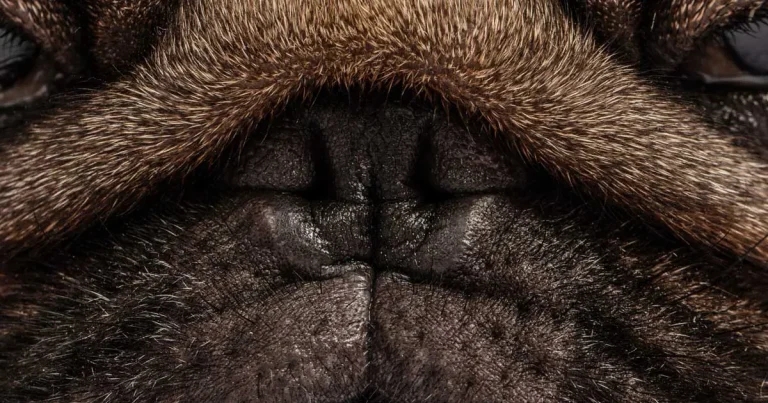
Image: 220 Selfmade studio / Adobe Stock
Cross-breeding of brachycephalic dogs could significantly reduce the health risks linked to their extreme features, according to a newly released study.
Researchers said the practice offers “a practical route to improving canine welfare”, after RVC-led analysis highlighted substantial improvements for cross-bred pugs compared to their purebred counterparts.
The paper, published in the Animal Welfare journal, examined 150 pet pug and pug cross-breeds which were recruited during a 10-month period.
All of the dogs underwent a Respiratory Function Grading Scheme (RFGS) test, as well as dental and neurological assessments. Dogs with skin folds were also examined for the presence of skin fold dermatitis.
The study found that breathing was impaired in all the purebred pugs – with nearly half (47.1%) assessed as having severe airway disease – while only one puggle, a pug-beagle cross, and no pug-Jack Russell crosses, known as jugs, were affected. Elsewhere, more than one-third (38.3%) of purebreds were found to have skin fold dermatitis while the condition affected no jugs or puggles despite folds being present in 15.7% and 27.1% of the two groups, respectively.
Eye, orthopaedic and neurological abnormalities were also much more commonly seen in purebred pugs than cross-breeds, while the former’s owners also reported significantly higher veterinary costs with lower quality of life. The study recorded a median monthly total of £45 for purebred owners, compared to just £10 for cross-breeds.
Meanwhile, the proportion of owners who described their dogs’ quality of life as “excellent” dropped from 92.2% for jugs and 81.2% of puggles to just 58.8% among purebred pugs.
Senior author Rowena Packer said: “This study provides evidence that moving away from extreme body shapes by shedding the shackles of breed ‘purity’ can offer a rapid and effective pathway towards innately healthy companion dogs.
“If international kennel clubs and breeders are serious about tackling the high disease burden in breeds with extreme conformation, carefully managed cross-breeding programmes should be recognised as one of the most effective tools available for improving canine welfare.”
Vet and first author Elizabeth Youens also stressed the findings indicated that improvements did not necessarily need to be made at the expense of qualities that owners value. She said: “Purposeful cross-breeding away from extreme body shapes is now shown as offering a practical route to improving canine welfare.”
The study’s publication also follows a recent RSPCA report that demanded collective action to address the welfare consequences caused by a range of extreme conformations, including brachycephaly.
The charity was one of three leading welfare organisations to provide funding for the research, alongside Blue Cross and the BVA’s charity, the Animal Welfare Foundation.
RSPCA scientific and policy manager Ashleigh Brown said: “These findings demonstrate that significant improvements in canine health and quality of life are achievable through judicious out-crossing – findings that should be welcomed sector-wide and implemented in breeding decisions.
“Canine welfare must always take precedence over aesthetics, and both responsible breeding and informed consumer choices when purchasing a pet will be powerful drivers for change.”