
18 Nov 2026
Early increases in alkaline phosphatase activity were associated with polydipsia two to three weeks later in dogs with immune-mediated haemolytic anaemia.

Chris Simpson
Job Title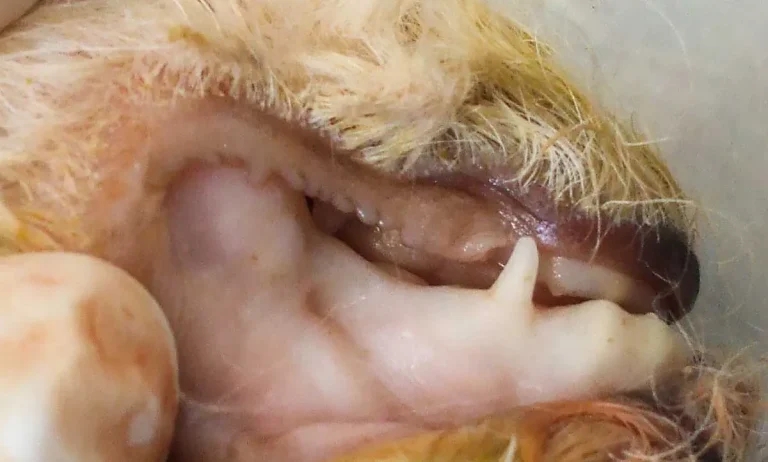
A puppy with severe anaemia. Image: Todorean Gabriel / Adobe Stock
Fresh research from the RVC may offer vets insight into which dogs are at risk of side effects from treatments for a common autoimmune disease.
Scholars found that changes in a routinely measured blood enzyme in the liver, alkaline phosphatase (ALP), can offer an early indication into adverse side effects from immune-mediated haemolytic anaemia (IMHA).
In a study published in the scientific journal Plos One, academics investigated dynamic changes in clinicopathological variables as well as immune and glucocorticoid-regulated gene expression in dogs with IMHA.
They sought to determine whether such changes are associated with quicker recovery from anaemia or the severity of treatment-related adverse effects. The researchers clinically monitored 29 client-owned dogs with non-associative IMHA, collecting residual blood samples at 0, 5, 21, 48 and 62 days after treatment at the RVC Queen Mother Hospital for Animals.
They found that several clinical and gene expression variables are “highly changeable” over time, providing what is said to be the first detailed picture of how these measures shift during the early treatment of IMHA.
They also explored how health-related quality of life was affected by treatment, finding treated dogs showed significant increases in bodyweight and body condition score over follow-up visits, whereas muscle condition score, non-invasive blood pressure and exercise tolerance did not change significantly across the same times.
However, none of the variables measured were associated with more rapid recovery from anaemia.
But they discovered that increasing ALP activity in the first five days following treatment was associated with excessive water intake at three weeks, suggesting early changes in glucocorticoid-response variables might be associated with severity of adverse effects later in the treatment timeline.
The authors noted: “This finding acts as important validation for our research approach because dogs possess a specific glucocorticoid-induced isoform of ALP that typically increases considerably when prednisolone treatment is initiated.
“Together, these preliminary results indicate that dynamic trends in widely available clinical tests could offer additional insight over static measures at diagnosis that have been evaluated previously as predictors of outcome in IMHA.”
The authors called for further research to explore the individualisation of immunosuppressive therapy for dogs with IMHA, describing ALP activity as a “key candidate” for investigation as a potential clinical tool for vets.
Author Barbara Glanemann, associate professor in small animal internal medicine at the RVC, said: “Our findings suggest commonly available laboratory changes early in treatment may help us all to better understand how an individual patient is responding and how high their risk is for developing adverse effects. This can help us to individualise our treatment strategies.”