
2 Jun 2026
Seracam has been used to scan for feline hyperthyroidism and further use cases are under active evaluation.

Chris Simpson
Job Title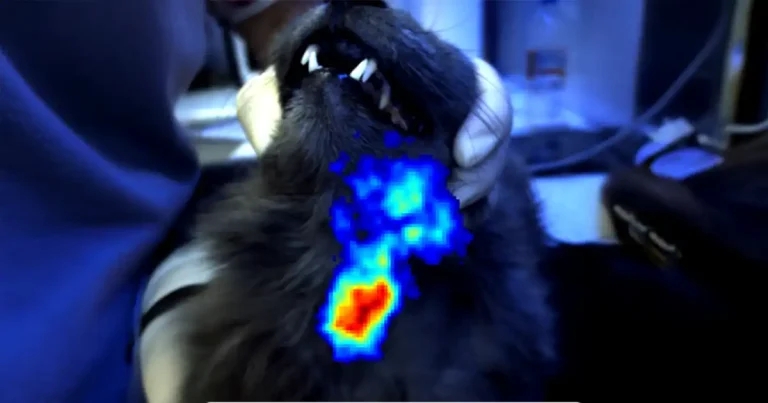
A gamma-optical camera has been used to image feline hyperthyroidism via scintigraphy.
The first veterinary use of a portable imaging camera used in human medicine to scan for feline hyperthyroidism has been announced.
Serac Imaging Systems and the Feline Hyperthyroidism Treatment Centre in Athens, Greece, announced the former’s Seracam, a portable hybrid gamma-optical camera, has been used to image the condition via scintigraphy.
Lead vet and centre founder Sossanna Bourmpou has used the technology to scan eight cats with suspected hyperthyroidism, with images from the practice included in a presentation at the Hellenic Companion Animal Veterinary Society Forum.
The imaging is said to enable more accurate diagnosis of the condition, appropriate dosing and treatment.
Dr Bourmpou said she was “extremely proud to be the first centre in Greece offering feline thyroid scintigraphy” and said the imaging “proved exceptionally valuable” when communicating with clients due to the direct visualisation of the pathological process.
She added: “Imaging with Seracam provided immediate and accurate assessment of disease extent, functional distribution of hyperactive thyroid tissue, and individualised therapeutic requirements for each patient.
“This significantly supported optimisation of I-131 treatment protocols while minimising the risk of adverse effects or repeat treatment requirements.”
Serac Imaging Systems chief executive Mark Rosser said the first veterinary images are “incredibly exciting” and demonstrate Seracam’s “significant potential” to improve veterinary patient outcomes.
He continued: “We are hugely encouraged by the feedback from Sossanna and her team indicating that Seracam has a role as an essential diagnostic tool for comprehensive feline hyperthyroidism management in the first instance, with further applications envisaged for the future.”