
28 Jul 2026
Phil Watson said the research has “huge potential” to underpin new diagnostic veterinary tools.

Chris Simpson
Job Title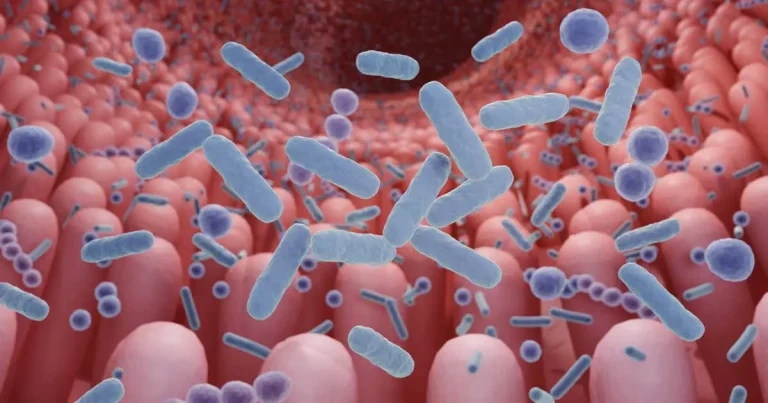
Image: Artur / Adobe Stock
Personalised interventions based on an individual pet’s unique gut makeup are the future of veterinary medicine as knowledge of the microbiome develops, researchers say.
Phil Watson, senior research manager at Waltham Petcare Science Institute, spoke to the Vet Times Podcast about a study he and his colleagues co-authored, said to represent “a dramatic increase in previous knowledge of the canine microbiome”.
The scholars – who used meta-genomic sequencing to analyse more than 500 canine faecal samples, discovering 983 new canine-specific bacteria strains – described their paper as “the most comprehensive microbiome resource in all companion animal research”.
Dr Watson said: “It’s a pretty bold statement, and one that we’re really pleased to stand behind.
“Now we’re able to identify around 90% of the bacteria in faecal samples of dogs… we’ve got an infinitely more complete picture of the dog microbiome.”
He said researchers can now see how the microbiome will change in response to health and the development of disease, and the findings offer “a much clearer picture of how the microbiome is involved in immunity and well-being and longevity”.
Dr Watson added: “We really see huge potential for this research to underpin new diagnostic tools that our veterinarians might be able to access and leverage in the future to help predict pets at risk of developing diseases or even diagnose disease.
“There’s opportunities also to use these insights to tailor interventions, so to understand how we might use diet to modify the microbiome to bring about specific health benefits to dogs.”
On adjusting these interventions to a pet’s individual gut makeup, he added: “I think that’s really the future. We see some emergence of this in human [health care] and [the] human microbiome.
“I think we’re a little bit behind in pet [research], but I think there’s absolutely potential to be able to profile the microbiome of dogs – and ultimately cats, as well – and then provide some personalised recommendations around diets to promote a healthy microbiome.”
Asked what a healthy microbiome looks like, Dr Watson said: “A healthy microbiome is diverse, so it has a broad array of bacterial species represented within it.
“Of that diversity, there should be a significant presence of what we would consider health-associated bacteria, and then of course absence of what we might consider pathogenic or disease-associated bacteria.”
He added: “But I don’t believe that there’s one specific healthy microbiome.”
Dr Watson noted the composition of microbes in the gut can be altered via prebiotic, probiotic and postbiotic ingredients, predicting an increasing focus on the latter in the future.
He also suggested the microbiome has an important role to play in emotional well-being and cognitive function via the gut-brain axis, while further work is being done to understand the role the oral and skin microbiomes also have to play in those areas of health.
Listen to the Vet Times Podcast with Phil Watson below or via the main podcast page.