Register

Login

Vet Times logo
  • Register
  • Login
  • View all news
  • Vets news
  • Vet Nursing news
  • Business news
  • + Media
    • Videos
    • Podcasts
    • Crossword
  • View all clinical
  • Clinical hubs
  • Small animal
  • Livestock
  • Equine
  • Exotics
  • Job Seekers
  • Recruiters
  • Career Advice
About
Vet Times App
Contact Us
For Advertisers
NewsClinicalJobs

Search Articles & More

Vet Times logo

Vets

All Vets newsSmall animalLivestockEquineExoticWork and well-beingInternational

Vet Nursing

All Vet Nursing newsSmall animalLivestockEquineExoticWork and well-beingOpinion

Business

All Business newsHuman resourcesBig 6SustainabilityFinanceDigitalPractice profilesPractice developments

Media

VideosPodcastsDigital EditionCrossword

The latest veterinary news, delivered straight to your inbox.

Choose which topics you want to hear about and how often.

Vet Times logo 2

About

The team

Vet Times App

Advertise with us

Recruitment

Contact us

Vet Times logo 2

Vets

All Vets news

Small animal

Livestock

Equine

Exotic

Work and well-being

International

Vet Nursing

All Vet Nursing news

Small animal

Livestock

Equine

Exotic

Work and well-being

Opinion

Business

All Business news

Human resources

Big 6

Sustainability

Finance

Digital

Practice profiles

Practice developments

Clinical

All Clinical content

Clinical hubs

Small animal

Livestock

Equine

Exotics

Jobs

All Jobs content

Job Seekers

Recruiters

Career Advice

Media

All Media content

Videos

Podcasts

Digital Edition

Crossword


Terms and conditions

Complaints policy

Cookie policy

Privacy policy

fb-iconinsta-iconlinkedin-icontwitter-iconyoutube-icon

© Veterinary Business Development Ltd 2026

IPSO_regulated

23 Nov 2015

Use of antioxidants in companion animal disorders

author_img

Lisa Weeth

Job Title


Use of antioxidants in companion animal disorders

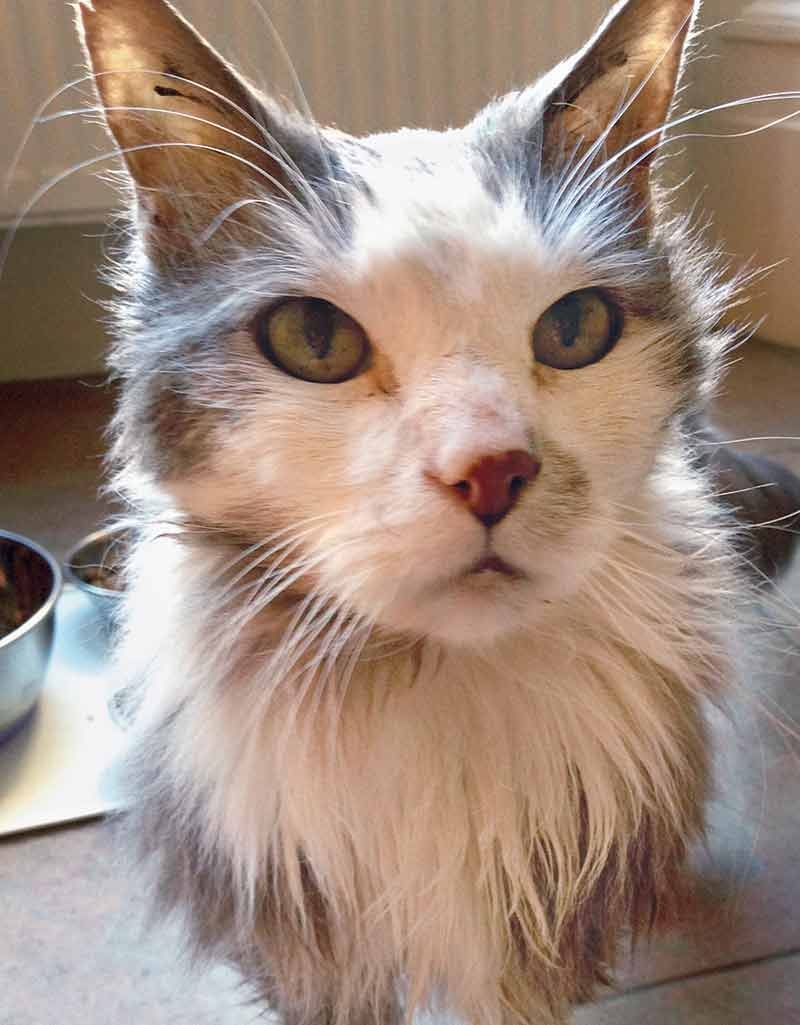
Figure 2. Supplementation may help prevent age-related cognitive function decline in otherwise healthy geriatric dogs and cats.

ABSTRACT

Enzymatic and non-enzymatic antioxidants may help cats and dogs, but there is debate about the correct blend of antioxidants and when supplementation should start.

Response varies by species, disease state and compound being used. Studies in older dogs receiving a combination of dietary antioxidants showed better retention of learned behaviours, while dogs and cats with liver disease may have improved antioxidant status when given a single agent to support endogenous antioxidant systems.

Increased intake of a variety of antioxidant compounds has also been proposed as a means of preventing tumorigenesis, though empirical evidence has been contradictory. Overall, evidence shows certain compounds may help maintain health and well-being and manage certain disease states.

Oxidation reactions occur in the mitochondria during normal cellular metabolism.

The transfer of electrons from one chemical species to another can form reactive oxygen species (ROS) in the cell. They have unpaired electrons that are attracted to surrounding lipids, proteins and nucleic acids in an attempt to stabilise their structures.

If left unchecked, ROS can damage DNA, organelles and lipid membranes1. This damage is hypothesised to cause or promote many chronic conditions including arthritis, cancer, cardiovascular disease and ageing2.

Antioxidant supplementation, on top of what is provided in the diet, has been suggested as a way to prevent or delay chronic disease progression in dogs and cats.

Antioxidant families

Figure 1. Examples of endogenous antioxidant systems. Vitamin E is membrane-bound and non-enzymatic, and stops propagation of free radical damage caused by reactive oxygen species. Glutathione peroxidase is an enzymatic antioxidant and converts ROS into less reactive compounds, such as water.

Enzymatic and non-enzymatic antioxidant systems exist in the cell to stop ROS-induced injury and to slow or prevent cellular damage (Figure 1).

Enzymatic systems include superoxide dismutase (SOD; copper-zinc or manganese), catalase and glutathione peroxidase. Non-enzymatic antioxidants include vitamin C, vitamin E, carotenoids (for example, b-carotene and lycopene), thiol antioxidants (for example, glutathione, lipoic acid and S-adenosylmethionine; SAMe) and flavonoids (polyphenolic compounds).

Both forms of antioxidant work to prevent free radical damage to the cellular structure, but in different ways. Enzymatic antioxidants convert the ROS to less reactive compounds, such as water and oxygen, while non-enzymatic antioxidants donate an electron to “quench” the ROS.

The balance between ROS formation and antioxidant capacity of the cell depends on the antioxidant systems’ demand and the dietary intake of all antioxidant compounds.

Antioxidants in health and disease

Healthy dogs and cats eating complete and balanced diets do not need antioxidant supplementation, though at certain life stages (geriatrics) and with certain conditions (for example, liver disease) the minimum requirements may not meet whole body antioxidant demand.

Total body antioxidant status relies on indirect indicators of oxidative stress (for example, isoprostane and malondialdehyde in urine) and antioxidant levels (for example, a-tocopherol and glutathione peroxidase in lymphocytes).

These diagnostic tests are not routinely available outside academic or industry settings; general practice and non-academic referral veterinary surgeons are often unsure of when to recommend supplementation.

Geriatrics

Supplementation with enzymatic and non-enzymatic antioxidants may benefit geriatric cats and dogs (Figure 2). When supplemented into the diets of otherwise healthy adults, vitamin E for cats3 and b-carotene for dogs4 improved immune function.

Figure 2. Supplementation may help prevent age-related cognitive function decline in otherwise healthy geriatric dogs and cats.

Studies in older dogs receiving a mixed supplementation also showed better retention of learned behaviours compared to age-matched controls5, but there is debate about the “correct” blend of antioxidants to see these effects.

Many formulations of dietary antioxidants are available and are generally considered safe, though safety and efficacy data for most single agent and combination antioxidant blends are lacking.

Supplementation should be used with caution in cats as certain compounds that appear safe for dogs and humans may be toxic or potentiate toxic reactions (for example, lipoic acid6).

Liver disease

The liver is integral in the detoxification of protein metabolites, production of serum albumin and clotting factors, storage of vitamins and minerals, and metabolism of ingested phytochemicals and drugs.

Chronic hepatitis increases ROS production in the liver7 and can perpetuate oxidative damage. Certain compounds are increasingly being used as hepatoprotectants with antioxidant function (Figure 3):

  • Silymarin (milk thistle seeds extract) increases hepatic glutathione concentrations and can protect against Amanita-induced liver toxicity in dogs8. It may also promote hepatocyte regeneration in other forms of liver disease and drug-induced hepatic dysfunction, but clinical studies have not been performed to date. It is generally considered safe for dogs and cats, but there are sporadic cases in humans of adverse gastrointestinal signs (abdominal pain, vomiting and diarrhoea) with chronic supplementation.
  • SAMe functions as a methyl donor for many endogenous compounds (such as taurine, glutathione, catecholamines and neurotransmitters). Its role in liver disease may be related to either improved antioxidant status9 or support of hepatocyte regeneration and detoxification of drug compounds10,11. The presence of food in the stomach can decrease SAMe absorption, so give this supplement on an empty stomach one to two hours before a meal.
  • Vitamin E is a membrane-bound intracellular antioxidant, which helps protect the membrane phospholipids from peroxide damage. Fat-soluble vitamin E needs bile salts for absorption from the intestinal tract, but in animals with cholestatic disease absorption is decreased. In these animals, a water-soluble form of the supplement may be required.

Heart disease

Reactive oxygen species cause cellular damage, have negative inotropic effects and perpetuate inflammatory responses in animals with heart disease.

Dogs with congestive heart failure due to dilated cardiomyopathy or chronic valvular disease have more biomarkers of oxidative stress and damage and low circulating levels of glutathione and vitamin E12,13.

There are no published interventional studies about antioxidant supplementation helping this group of patients.

Cancer

Excess ROS in the cell (above its antioxidant capacity) can damage membrane lipids, cause single or double-
stranded DNA breaks, modify protein structures and cross-link DNA. It can lead to arrest or induction of transcription, replication errors and genomic instability.

Figure 3. Dogs with liver disease may benefit from SAMe, silymarin and vitamin E supplementation.

Increased oxidative stress markers and low plasma levels of measured antioxidants have been found in dogs newly diagnosed with lymphoma14 and dogs with mammary carcinomas15.

Literature about antioxidant supplementation and cancer incidence in humans shows mixed results. Certain antioxidants lower incidences, but others may increase the risk of specific cancer and have been linked to higher mortality:

  • Dietary intake of both enzymatic and non-enzymatic antioxidants may prevent tumorigenesis16, but the benefits of increasing antioxidant intake in dogs and cats are largely theoretical. Many cancer treatments rely on ROS formation to induce cancer cell death, so avoid antioxidant supplements in patients undergoing chemotherapy and radiation therapy.
  • Moderate vitamin E intake (200IU/day) in humans may lower the incidence of colorectal cancers, but higher intake (>400IU/day) failed to protect and was associated with a higher risk of death17. Vitamin E is generally considered safe for dogs and cats and used routinely with liver disease, but high dose supplementation for cancer prevention has not been evaluated.
  • Less intake of vitamin C in humans has been linked to gastric and colorectal precancerous changes18, but prospective supplementation studies have shown varied results by cancer type19-22. Vitamin C supplementation may protect against lung and colorectal tumours19, but showed no effect on the development of alimentary tumours compared to placebo20-22. Cats and dogs synthesise vitamin C endogenously, so it is not a required dietary nutrient. The effect of supplemental vitamin C intake on canine and feline cancers has not been studied.
  • Increased flavonoid intake may reduce stomach, pancreatic and lung cancers in people21, but higher intake of certain flavonoids has been linked to hepatic failure, contact dermatitis and haemolytic anaemia in people23. Safety and efficacy of flavonoid compounds in dogs and cats is lacking, but a safety study of green tea extract (a type of flavonoid supplement) in healthy beagles showed a high morbidity and mortality rate, prompting early termination of the study24. Flavonoids should be used cautiously in veterinary medicine.

l Selenium has been evaluated in dogs as an interventional therapy. Higher intake in older male dogs without a history of prostatic disease showed a drop in DNA damage to prostatic tissue, compared to non-supplemented controls, and higher apoptosis of prostatic cells25.

Summary

Companion dogs and cats are increasingly viewed as integral members of the family and their nutritional needs have changed from meeting minimal requirements to optimising intakes for long-term health and well-being.

Good evidence exists for incorporating antioxidants into everyday practice for older animals and those with liver or heart disease. Antioxidants may also help prevent cancer, but once cancer has been diagnosed avoid both enzymatic and non-enzymatic supplements (including flavonoids) to prevent inadvertently protecting cancer cells during radiation or chemotherapy.

Antioxidants may also benefit canine athletes (to balance the increased oxidative stress during periods of strenuous activity) and other chronic inflammatory conditions (such as diabetes mellitus, inflammatory bowel disease or arthritis), though interventional studies are largely lacking.

Antioxidant supplementation may promote health and well-being and help manage certain diseases in companion dogs and cats. Their use should be considered by veterinary surgeons.

  • This article appeared in Vet Times (23 November 2015), Volume 45, Issue 47, Pages 8-9

References

  • Jones DP and DeLong MJ (2000). Detoxification and protective function of nutrients. In Stipanuk MH (ed), Biochemical and Physiological Aspects of Human Nutrition, WB Saunders, Philadelphia: 901-908.
  • Santangelo C, Vari R, Scazzocchio B et al (2007). Polyphenols, intracellular signalling and inflammation, Ann Ist Super Sanita 43(4): 394-405.
  • Hayek MG, Massimino SP, Burr JR and Kearns RJ (2000). Dietary vitamin E improves immune function in cats. In Reinhart GA and Carey DP (eds), Recent Advances in Canine and Feline Nutrition, Orange Frazer Press, Wilmington: 555-564.
  • Massimino S, Kearns RJ, Loos KM et al (2003). Effects of age and dietary β-carotene on immunological variables in dogs, J Vet Int Med 17(6): 835-842.
  • Milgram NW, Head E, Muggenburg B et al (2002). Landmark discrimination learning in the dog: effects of age, an antioxidant fortified food, and cognitive strategy, Neurosci Biobehav Rev 26(6): 679-695.
  • Hill AS, Werner JA, Rogers QR et al (2004). Lipoic acid is 10 times more toxic in cats than reported in humans, dogs and rats, J Anim Physiol Anim Nutr (Berl) 88(3-4): 150-156.
  • Center SA and Warner Hollis KL (2002). Liver glutathione concentrations in dogs and cats with naturally occurring liver disease, Am J Vet Res 63(8): 1,187-1,197.
  • Vogel G, Tuchweber B, Trust W and Mengs U (1984). Protection by silibinin against Amanita phalloides intoxication in beagles, Toxicol Appl Pharmacol 73(3): 355-362.
  • Center SA, Randolph JF, Warner KL et al (2005). The effects of S-adenosylmethionine on clinical pathology and redox potential in the red blood cell, liver and bile of clinically normal cats, J Vet Intern Med 19(3): 303-314.
  • Wallace KP, Center SA, Hickford FH et al (2002). S-adenosyl-L-methionine (SAMe) for the treatment of acetaminophen toxicity in a dog, J Am Anim Hosp Assoc 38(3): 246-254.
  • Webb CB, Twedt DC, Fettman MJ and Mason G (2003). S-adenosylmethionine (SAMe) in a feline acetaminophen model of oxidative injury, J Fel Med Surg 5(2): 69-75.
  • Freeman LM, Brown DJ and Rush JE (1999). Assessment of degree of oxidative stress and antioxidant concentrations in dogs with idiopathic dilated cardiomyopathy, J Am Vet Med Assoc 215(5): 644-646.
  • Freeman LM, Rush JE, Milbury PE and Blumberg JB (2005). Antioxidant status and biomarkers of oxidative stress in dogs with congestive heart failure, J Vet Int Med 19(4): 537-541.
  • Winter JL, Barber LG, Freeman L et al (2009). Antioxidant status and biomarkers of oxidative stress in dogs with lymphoma, J Vet Int Med 23(2): 311-316.
  • Leonel C, Gelaleti GB, Jardim BV et al (2014). Expression of glutathione, glutathione peroxidase and glutathione S-transferase pi in canine mammary tumors, BMC Vet Res 10: 49.
  • Kris-Etherton PM, Hecker KD, Bonanome A et al (2002). Bioactive compounds in foods: their role in the prevention of cardiovascular disease and cancer, Am J Med 113(Suppl 9B): 71S-88S.
  • Lonn E, Bosch J, Yusuf S et al (2005). Effects of long-term vitamin E supplementation on cardiovascular events and cancer: a randomized controlled trial, J Am Med Assoc 293(11): 1,338-1,347.
  • Beno I, Klvanova J, Magalova T and Brtkova A (2000). Blood levels of natural antioxidants in gastric and colorectal precancerous lesions and cancers in Slovakia, Neoplasma 47(1): 37-40.
  • Correa P, Fontham ETH, Bravo JC et al (2000). Chemoprotection of gastric dysplasia: randomized trial of antioxidant supplement and anti-Helicobacter pylori therapy, J Natl Cancer Inst 92(23): 1,881-1,888.
  • Knekt P, Jarvinen R, Seppanen R et al (1997). Dietary flavonoids and the risk of lung cancer and other malignant neoplasms, Am J Epidemiol 146(3): 223-230.
  • Plummer M, Vivas J, Lopez G et al (2007). Chemoprevention of precancerous gastric lesions with antioxidant vitamin supplementation: a randomized trial in a high-risk population, J Natl Cancer Inst 99(2): 137-146.
  • Bjelakovic G, Nikolova D, Simonetti RG and Gluud C (2008). Systemic review: primary and secondary prevention of gastrointestinal cancer with antioxidant supplements, Aliment Pharmacol Ther 28(6): 689-703.
  • Galati G and O’Brien PJ (2004). Potential toxicity of flavonoids and other dietary phenolics: significance for their chemopreventive and anticancer properties, Free Radic Biol Med 37(3): 287-303.
  • Kapetanovic IM, Crowell JA, Krishnaraj R et al (2009). Exposure and toxicity of green tea polyphenols in fasted and non-fasted dogs, Toxicology 260(1-3): 28-36.
  • Waters DJ, Shen S, Cooley DM et al (2003). Effects of dietary selenium supplementation on DNA damage and apoptosis in canine prostate, J Natl Cancer Inst 95(3): 237-241.