
16 Feb 2026
Pro-raw feeding vets claim new analysis suggesting many products failed to meet legal safety standards have overlooked hygiene issues linked to other dietary approaches.

Allister Webb
Job Title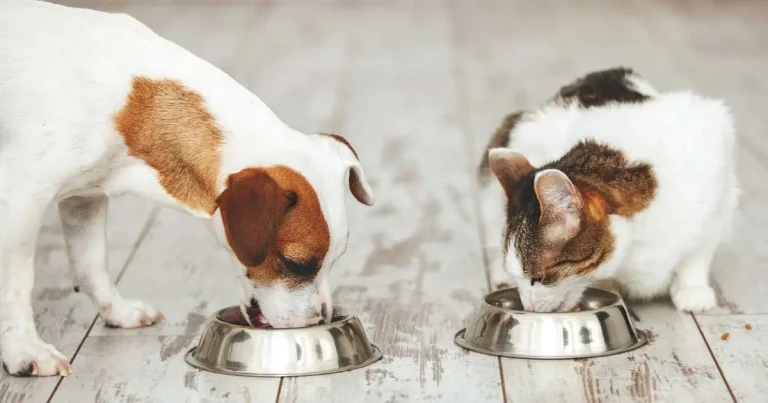
Image: Tatyana Gladskih / Adobe Stock
A scientific row has broken out after a new report suggested more than one-quarter of raw cat and dog food products failed to meet legal UK safety requirements.
Food Standards Agency (FSA) officials claimed the analysis, which also found more than one-third contained bacteria that are potentially harmful to humans, showed the products “pose risks”.
But the Raw Feeding Veterinary Society (RFVS) warned there was a danger of “distorting public understanding” by focusing solely on issues linked to that category.
It called for “proportionate” guidance, adding: “If the public message is hygiene, it should be hygiene for all pet foods and all handling.”
A total of 380 products from 50 brands, bought in store or online between March 2023 and February 2024, were tested by the UK Health Security Agency for the study.
They found 29% did not meet legislative standards relating to the levels of either Salmonella, Escherichia coli or both.
A slightly higher proportion – 35% – were also found to contain either those bacteria or others such as Campylobacter, which can cause illness in humans.
FSA interim chief scientific advisor Rick Mumford said: “We know that many pet owners choose raw pet food. This survey shows that these products can pose risks to human and animal health.”
He urged owners who feed raw products to their pets to follow “the same hygiene principles” as they would when preparing food for people.
The message was welcomed by the Pet Industry Federation, whose members include raw food manufacturers and retailers, who argued it would help them give “consistent advice” to their customers.
Chief executive Nigel Baker added: “Raw is now a mainstream category for many specialist pet shops and an important commercial opportunity that supports high street pet retail.”
But the RFVS committee said the paper had not compared levels found in the pet products to those of other raw meats commonly handled in domestic kitchens and argued detection alone was not a “quantified estimate” of risk.
The group also pointed out the report had not referred to APHA data showing a 29% drop in recorded Salmonella isolations from raw pet foods between 2022 and 2024, in a period when sales rose by 12.5%.
The committee added: “This is directly relevant context for interpreting a retail survey. Its absence from the public communication makes the message appear more accusatory than the overall trend data support.”
The same figures were highlighted by UK Pet Food’s Raw Manufacturers working group, whose chairperson, Greg Van Praagh, said members were “continually striving to set the highest standards” for safe production.
But the wider importance of the debate to the veterinary sector is emphasised by BVA survey data which found 94% of participating vets had clients who feed a raw diet to their pets.
BVA president Rob Williams acknowledged the “huge surge” in alternative pet food approaches and encouraged clinicians to use their online resources to help owners make informed decisions.
He added: “Vets play a key role in guiding clients through these dietary decisions, and we know many of our members are concerned about the potential disease risks raw feeding poses to both pets and people.”