
19 Oct 2026
New analysis warns of “irreversible genetic bottlenecks” if current trends continue.

Allister Webb
Job Title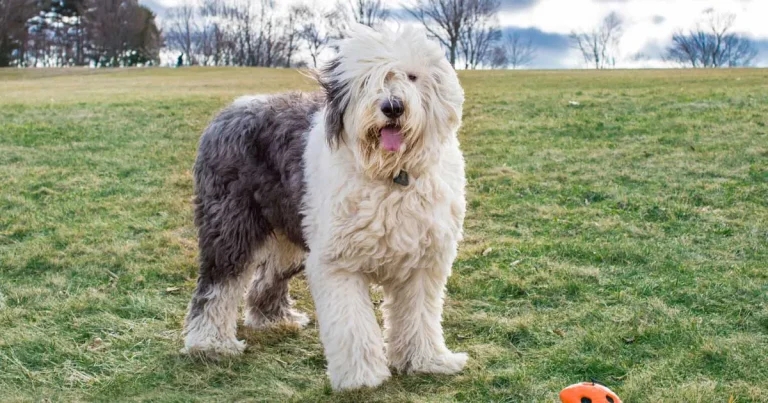
Image: Tamar / Adobe Stock
Several historic UK dog breeds are at risk of extinction amid rapidly falling puppy registrations and wider societal shifts, a vet has warned.
Royal Kennel Club (RKC) officials said they share the concern, though they urged caution over suggesting the trends may be directly linked.
But Charlotte Inness, founder of the independent online pharmacy VetMedi, argued current trends could have major long-term consequences if nothing is done.
She said: “If prospective buyers only choose what is trending online, we risk irreversible genetic bottlenecks and losing Britain’s finest historic breeds forever.”
Almost 40 types are now listed as “vulnerable native breeds”, with fewer than 300 registrations a year, on the RKC website. Many have experienced substantial falls including only five bloodhound and 10 greyhound registrations in 2025 – down by 90% and 75%, respectively, in the past decade.
Other breeds such as the old English sheepdog, made famous by its long-standing role in commercials for the decorating brand Dulux, have also seen registrations roughly halve over the same period.
The trend is thought to be heavily connected to the rise in popularity of smaller dogs and cross-breeds, with cockapoos now said to outnumber all the vulnerable native breeds combined by more than five to one in the RVC VetCompass database.
Although the surge in dog ownership during the COVID-19 pandemic has been well documented, Dr Inness argued many households’ lifestyles could not meet the need of traditional breeds that need more time, space and exercise.
She said: “Cross-breeds like cockapoos and cavapoos are highly desirable for their compact size and low shedding, but this shift means heritage breeds are losing public visibility.
“Breeds like the Dandie Dinmont, Bedlington terrier or smooth collie make exceptional, healthy family pets when matched with the right owner.”
But RKC chief canine engagement and well-being officer Charlotte McNamara insisted the organisation was already actively working with owners, breeders, breed clubs and researchers to protect vulnerable types’ futures.
She said: “The latest registration figures do demonstrate the scale of the challenge. However, we would be cautious about drawing a direct causal link between the decline in vulnerable native breeds and the popularity of cross-breeds or particular lifestyle trends.
“Registration data tells us about the number of puppies registered with the Royal Kennel Club, rather than the complete UK dog population, and there are a number of factors that can influence breed numbers.
“Increasing awareness needs to go hand in hand with ensuring prospective owners can make informed choices about whether a particular breed is genuinely suited to their lifestyle.”
One trend that does appear to have passed its peak is the desire for brachycephalic breeds, with RKC data showing a fall of more than 85% in the number of French bulldog registrations last year from a peak of more than 54,000 in 2021.
Pug registrations were also down by more than 92% over the same period, to just 834 in 2025.