
15 Dec 2025
“We’ve seen a massive shift already without regulators needed to step in” – John Haycock, VMD.

Chris Simpson
Job Title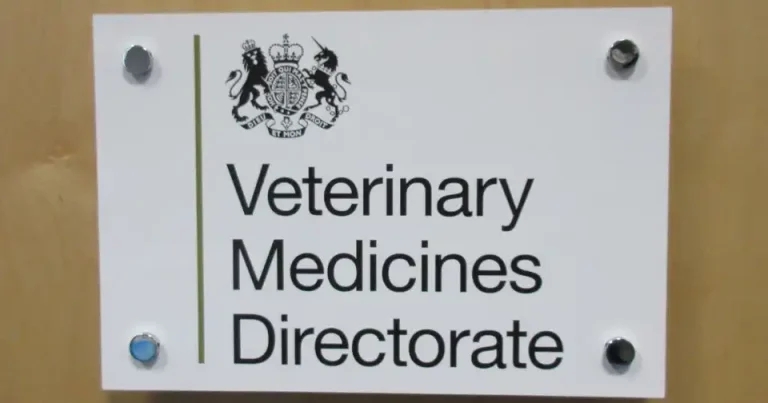
The Veterinary Medicines Directorate has launched a survey to gauge how pet owners use and dispose of spot-on parasiticide treatments.
Addressing the environmental impact of parasiticides will require a collaborative effort across the veterinary sector, the VMD has said.
The body’s senior veterinary assessor, Jon Haycock, provided London Vet Show delegates with an update on its efforts amid growing evidence of environmental harm caused by parasiticides.
He said: “Regulation is definitely important, nobody’s denying that, but it’s definitely not the whole solution.
“We rely on external researchers and academics really quite significantly, and then behaviour change of all stakeholders.”
Dr Haycock likened parasiticide usage to antimicrobials, noting: “We’ve seen a massive shift already without regulators needed to step in.”
He added: “It feels like the profession is heading in the right direction already and it’s just inevitable the regulator is going to catch up to that.”
Among the 36 recommendations made in a joint parasiticide policy document issued in October, four called for specific actions to be taken by the VMD.
On the recommendation the VMD reviews environmental impact assessment requirements, Dr Haycock said it is among many regulators, including the European Medicines Agency, supporting a review of the relevant international guidelines.
However, on the call to collect annual parasiticide sales data, he said that, despite significant parallels with antibiotics, “[it is] probably not a case of just copying what we do for microbials and applying it on to parasites”.
He added: “While nothing has been established just yet – and it’s not something that we’re averse to, necessarily – it just would require dedicated resources which aren’t available to the VMD at this point in time, but it is definitely something that is sat on the VMD’s [to do list].”
Dr Haycock reiterated the VMD is considering a regulatory review of AVM-GSL products.
On the call for the body to extend restrictions on advertising pharmaceutical products, he said it would come under the Veterinary Medicines Regulations remit, but also the Advertising Standards Agency and NOAH Code of Practice.
He added: “It’s absolutely not a ‘no, we’re not going to do it’, but again, it’s really quite a lot more complex than just changing a little bit of legislation and changing a bit of policy, because a lot of work needs to go on and [encompass] a lot of different people.”
Asked if he can see a future in which parasiticides are more strictly controlled, the vet said: “I can certainly see it if the data points that way.”
Dr Haycock said the VMD is “very aware” of balancing risks of “major unforeseen consequences” if they were to remove products from the market altogether, both to animal and human health, and the possibility of driving away pharmaceutical companies.
He added: “I don’t want to paint it as in the VMD is doing things and dragging companies with us, that’s not the case. They have very much taken this on board as well and are working very closely with us. Collaborative action is (…) what it’s going to take, from a regulatory perspective.”
On the policy document, he said: “These are sensible recommendations; it’s just the VMD has to work out how to do it.
“It’s landed in the right place, and it is being acted upon.”