
20 Aug 2026
More than 2,000 dangerous wild animals are licensed to be kept privately in Britain 50 years on from the Dangerous Wild Animals Act’s introduction.

Chris Simpson
Job Title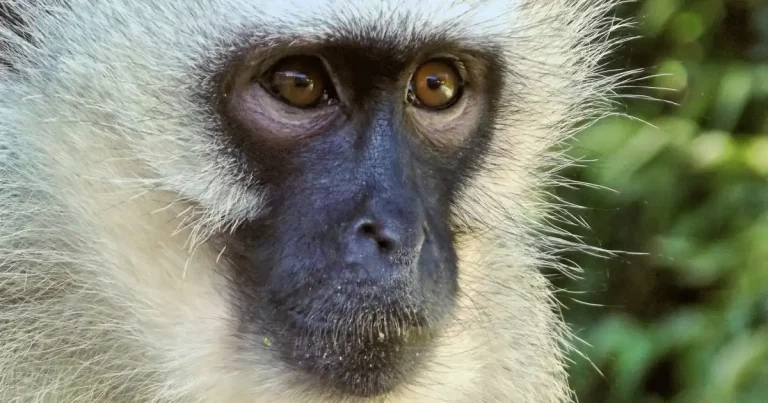
Prominent animal welfare charities have urged the Government to review and reform legislation governing the keeping of wild animals after fresh figures revealed the scale of private ownership in Britain.
Born Free and the RSPCA have led the calls to update the Dangerous Wild Animals Act 1976 (DWAA) after the former released research revealing more than 2,270 dangerous wild animals are licensed to be kept privately in Great Britain.
However, Defra has not committed to revisiting the legislation.
In its 2026 survey, Born Free revealed that a total of 154 private addresses across 113 local authorities hold licences or are in the application process to keep dangerous wild animals. There are approximately 188 different species and subspecies being held under licence, including 48 species threatened with extinction.
The animals include 518 venomous snakes and 293 dangerous primates (up from 403 and 256 in 2023, respectively), 166 wild cats and 79 crocodilians.
The charity said that while its figures included animals held at recognised facilities, such as businesses, educational facilities and sanctuaries, many were likely being kept in domestic homes.
Born Free’s captivity research and policy manager Chris Lewis said: “The [DWAA] was intended to make the keeping of wild animals categorised as ‘dangerous’ a wholly exceptional circumstance. Yet 50 years on, we find ourselves in a situation where nearly 10 times more venomous snakes are kept in British homes than British zoos; servals continue to be unnecessarily and cruelly cross-bred with domestic cats to produce ‘fashionable’ hybrids; and primates continue to be confined despite the Government acknowledging they are unsuited to being kept as pets.”
Born Free has demanded a comprehensive review, both of the DWAA and the entire legal framework governing the trade in and private keeping of wild animals, describing it as “fragmented and outdated”.
RSPCA exotic animals expert Evie Button said the charity was “deeply concerned” by the findings, adding: “While the Dangerous Wild Animals Act was introduced to help public safety, it does not place enough emphasis on the welfare needs of the animals themselves.
“A licence to keep a dangerous wild animal does not necessarily mean that the animal is having their needs met.
“The act is now 50 years old and needs urgent reform to ensure it provides stronger protections for both animals and the public.”
In response to the calls, a Defra spokesperson said: “Anyone wishing to keep an animal covered by the Dangerous Wild Animals Act must be carefully vetted and apply for a licence, which sets out strict conditions under which the animals must be kept.”
Officials added that owners who keep such animals must obtain a licence from their local authority, which is only granted if the authority is satisfied a range of requirements are met.
Defra said the welfare of any animal kept as a pet is covered by the Animal Welfare Act 2006 and owners have a duty to ensure the welfare needs of their animals are met.