
02 November 2026
A guide to expanding your options through postgraduate education.

“I feel I’m coping with the day-to-day, but I’d like to feel stretched intellectually again.”
“There are definitely cases in one area where I don’t feel confident – for me that area is neurology.”
“I’ve decided to commit to progression and eventually specialisation, but I don’t know how to take the next step.”
Do any of these statements sound familiar?
Ifevet has provided postgraduate training to more than 5,000 veterinary surgeons across Europe in the past six years. Some vets are aiming for internships or residency as part of their first steps towards specialism and many more are simply aiming to be better clinicians or to feel more confident and competent at work. Here, we explain how postgraduate education can open doors to career development and greater professional satisfaction.
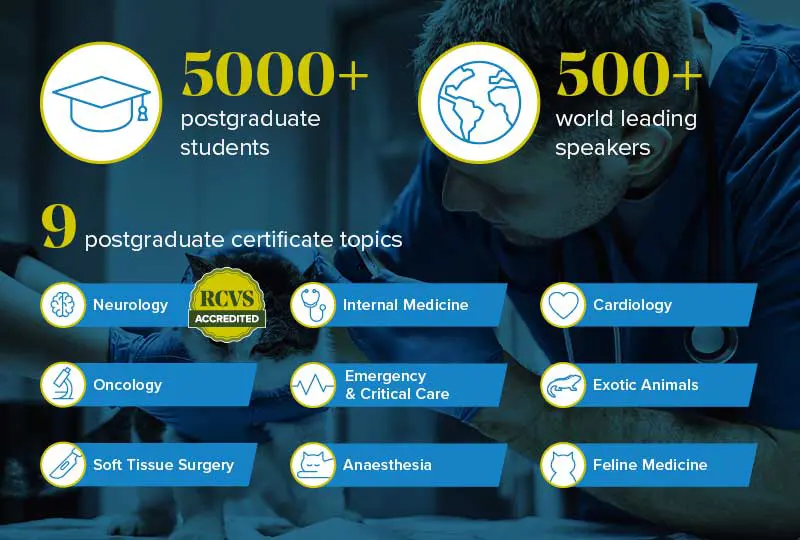
All Ifevet postgraduate certificate qualifications are accredited at a University Level 7, which carry 30 ECTS (European credits), equivalent to 60 UK credits, allowing progression to Master’s and PhD qualifications for those who opt to take the academic pathway.
In October 2026, Ifevet received RCVS accreditation for its Postgraduate Certificate in Small Animal Neurology: PgCert. Neuro. Ifevet (APR). The RCVS-accredited qualification can be used when applying for Advanced Practitioner status, expanding the range of opportunities available. Advanced Practitioner applicants must also meet the RCVS’s additional eligibility requirements.
While some use their postgraduate certificate as a springboard to internship or residency programmes, others choose to remain in first opinion practice, albeit working at a higher level of capability.
Working as a veterinary professional can be demanding enough without accommodating extra commitments. For that reason, the Ifevet PgCerts are designed to be flexible and fast-track – with just 8 months to completion or 12-14 months for the APR. This contrasts with other alternatives which can take years to achieve the same level of qualification.
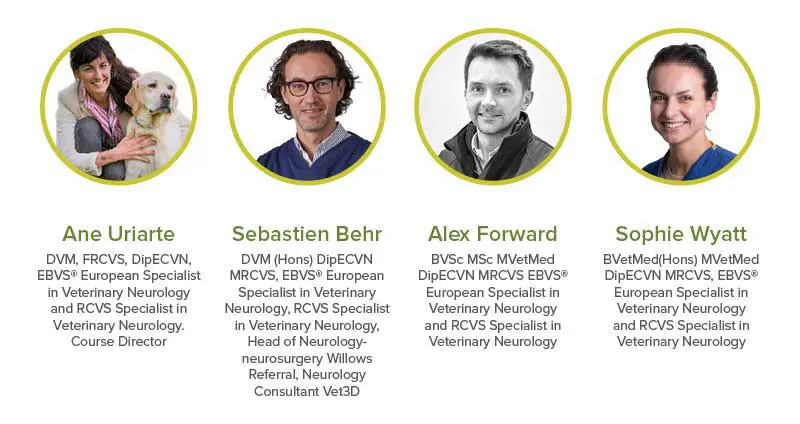
Livestream teaching, from ten world-leading specialists based in referral centres and universities, is one of the key benefits of the Ifevet neurology postgraduate programme. Each session is recorded to accommodate unpredictable events or rotas. Live sessions also allow speakers to be reactive to emerging issues, able to share the latest research and responsive to the specific needs of the participants, with the potential for active case discussions.
While many vets signing up to the PgCert in Small Animal Neurology have clinical experience or a special interest, some tackle the course because they feel it’s an area in which their confidence or knowledge is lacking. There are no interviews or assessments needed to register on the course.
All CPD has a cost attached and often employers will pay for a postgraduate certificate, either because they have identified a need for training as part of a personal development plan or to reflect the ambitions of the practice to raise quality, grow revenue and expand the client offer.
Many vets choose to invest in their own professional development. For those who are self-funding, Ifevet postgraduate certificates offer excellent value compared with other options, as well as the flexibility of instalments.
The course aims to make a difference to your clinical approach quickly. The Ifevet Small Animal Neurology PgCert (APR) runs across 12 to 14 months and includes a structured assessment process designed to evaluate how participants apply their knowledge in clinical practice, through coursework, independent study and a range of practical, case-based assessments. Ifevet will ensure maximum flexibility and support throughout.
The emphasis is on developing strong clinical reasoning skills that are applicable during day-to-day work. While the content is suitable for those wishing to specialise, it also aims to help those in first opinion practice to become outstanding clinicians.
Ifevet offers postgraduate certificates in nine subjects: small animal neurology, oncology, soft tissue surgery, internal medicine, emergency & critical care, anaesthesia, cardiology, exotics and feline medicine. While neurology follows a streaming format, cardiology and surgery offer a blended approach which includes workshops. The module breakdown for each course is available at https://ifevet.com/uk.
The RCVS-accredited Small Animal Neurology PgCert extends over 12 modules. It starts with a detailed review of how to conduct a neurological examination and reviews diagnostics, before moving onto critical disease areas such as epilepsy and movement disorders, neuro-oncology, myelopathies, brain disorders and disc disease, including spondylomyelopathy.
All the detailed information you need about the Ifevet postgraduate certificates is available at www.ifevet.com/uk/
Sometimes, it’s better to talk, so if you would like to arrange a call or ask a specific question, email Ifevet in the first instance at [email protected]
* Advanced practitioner requires a separate application to the RCVS after completion of an APR qualification.