
26 May 2026

Liz Bartrum
Job Title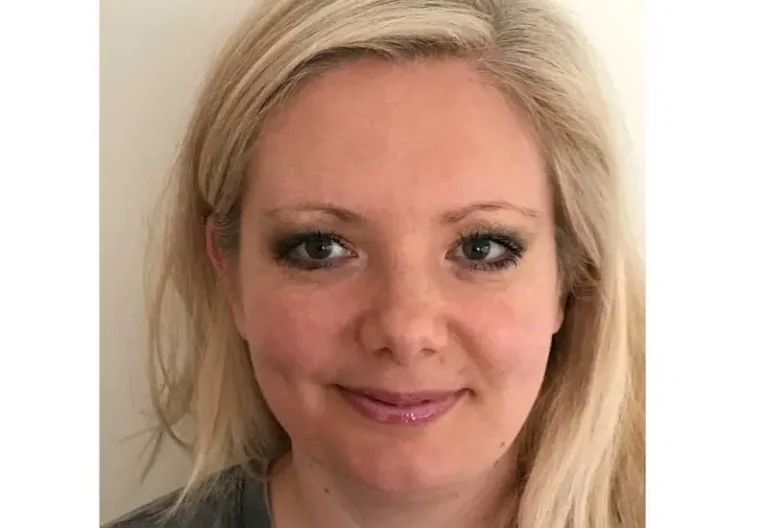
Liz Bartrum.
I am a third-year student at Harper and Keele Veterinary School, and I also live with multiple sclerosis (MS), an autoimmune condition that affects the central nervous system, and benefit from a disease modifying drug that is immunosuppressive.
I am active generally in raising awareness about MS and how it affects people very differently, although I have not particularly focused on treatment and the resulting immunosuppression.
As there are approximately 500,000 people who are immunosuppressed in the UK (Willicombe et al, 2022), I would consequently like to share what it is like to work as an immunosuppressed person in an industry where there is a high risk of contracting an infection.
My main advice to anyone who is immunosuppressed and working in an environment with a potential high risk of infection is to speak to your specialist initially for guidance on how to stay safe.
It is imperative always to complete a risk assessment for each situation; for example, are you working with a live animal, such as pregnant sheep and assisting at lambing? Or are you working with a cadaver either in the wet lab or out in practice? What species is the cadaver, and what is the potential for transmission of zoonotic diseases? The risk assessment should determine what PPE you need to wear or if it is safer for you just to observe.
Everyone should take the risk of zoonoses seriously; however, they can impact someone who is immunosuppressed much more severely. Wearing the correct PPE for the circumstances, therefore, is crucial.
In a farm setting, make sure you wear waterproofs that can be washed afterwards. I would also wear gloves – especially as rotavirus, cryptosporidiosis and ringworm are prevalent in the environment, particularly around calves. Make use of disinfectant washes for calf or lamb milk bottles, which can help reduce the risk of carrying around contaminated equipment.
Both pregnant sheep and lambing pose a risk of transmitting toxoplasmosis and enzootic abortion of ewes. Pigs can also excrete Salmonella, so gloves are advisable. Where there is a risk of any aerosol being generated that could pose a zoonotic risk, try to ensure that FFP3 face masks are available for greater protection. Excellent hand hygiene is equally critical.
Some farmers might not be comfortable hosting a student who is immunosuppressed. They might not understand what it means and could be concerned about any detrimental impact on their business if anything happens. It might, therefore, be sometimes necessary to find a different provider, but also speak to your EMS team who will help with achieving EMS requirements.
Take care with live vaccines such as those for orf and kennel cough. It may be advisable either not to administer these vaccines or be nearby when they are administered, as live vaccines can pose a high risk to anyone who is immunosuppressed. The risk can alter depending on the various stages of your own treatment cycle.
I have found that it is key to let colleagues know about your immunosuppression, as it helps to reduce the risk of putting anyone in a dangerous situation. Colleagues will more readily understand if, as a result, you feel uncomfortable handing a particular case, so it will therefore be easier to ask for help.
Having been through occupational health, discussing my situation with my neurologist and from my own experience, I have learned that there is probably a more substantial risk of catching a virus from a colleague or client. Contracting a virus in this way can easily happen during consults where you might spend more time in a confined space with someone. For anyone with an autoimmune condition, this can be particularly challenging because it can cause more severe symptoms, last longer and bring on symptoms of your underlying health condition, which can be harder to manage. It is, therefore, always worth considering if there is another way of working to mitigate the risk.
If you are not comfortable working closely with someone who has cold symptoms, let them know because it is highly likely you will catch it. The virus could impact you more severely than someone who is not immunosuppressed, which can then lead to time taken off to recover.
By following medical advice and taking some extra safety precautions, working in an industry that poses an elevated risk of infection as an immunosuppressed individual is not impossible. There may be some limitations to what you can do safely; however, it is important to explore alternative ways of working which can help to reduce the risk of infection.