
31 Jul 2026
Academics say there is hope of persuading regulators to change course after revealing proposed orders had been denounced as “paid propaganda”.

Allister Webb
Job Title
Rebecca Robinson, VMG president.
Pet owners could be left with less, not more, choice if planned reforms of the veterinary sector are implemented in their current form, a senior figure has argued.
VMG president Rebecca Robinson has warned the Competition and Markets Authority’s (CMA) draft orders deflect from the “real value” of veterinary care and could even prevent changes it claims to favour.
Meanwhile, legal experts believe there could be a greater chance of securing changes now than during earlier stages of the investigation process.
As consultations on the authority’s draft orders continue, professional concerns have focused largely on their provisions relating to the supply of medicines.
A key point of contention is the presentation of the formal notices practices would be required to display that state online providers “may be significantly cheaper”, with the latter two words highlighted in either bold or different coloured text.
CMA officials have defended the measures, insisting that many owners would still choose to buy drugs from their vet for a variety of reasons, including convenience.
But Dr Robinson argued the presentation of the notices risked reinforcing the idea of veterinary practices being expensive in the minds of clients.
She said: “These notices are intended to promote consumer choice, but they could ultimately reduce it.
“This distracts from the real value of veterinary care and is not helpful for practices in developing more transparent pricing models that reflect the true cost of clinical care rather than relying on medicine sales – which the CMA is calling for.”
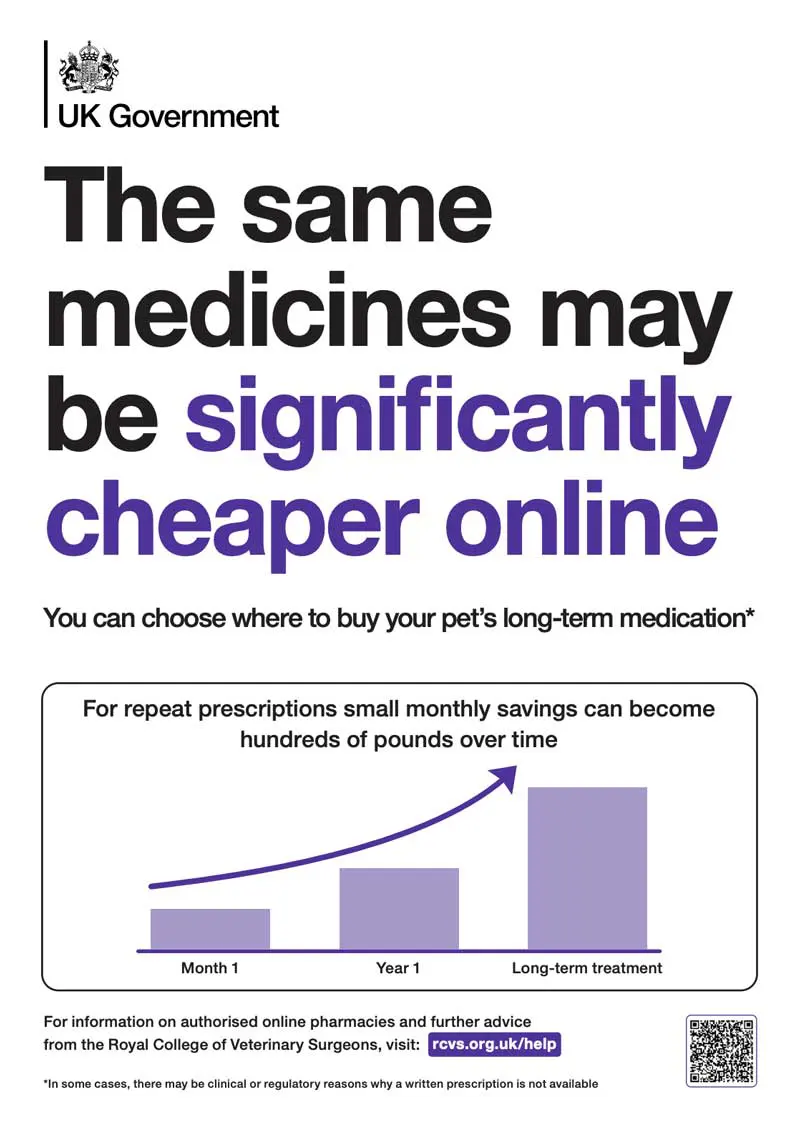
The comments follow recent warnings of “chaos” in practices and pledges to push for further change following publication of the draft orders on 21 July.
Competition law academics David Reader and Scott Summers also noted concerns expressed within the veterinary community online, including the notices being denounced as “paid propaganda for online pharmacies”.
But with the current consultation due to run until 20 August and final orders set to come into force in late September, they argued that the CMA was more likely to accept calls for change now than while its remedies were being finalised.
They said: “Before committing to detail, the CMA will wish to understand the practical reservations from those working on the front line, because we’re now at event horizon.
“The findings may be set in stone, but the details of remedial implementation will have a substantive impact on the lived experience of practitioners, pet owners and animals.”
The pair, who have been monitoring the investigation closely as part of their own research into the sector, have echoed concerns about potential damage to public confidence arising from the orders, arguing the notices could harm the vet-client relationship.
But while they said more needs to be done to prevent potential loopholes, they described the aim of enabling pet owners to make informed choices between independent practices and those in groups or networks as “a good start”.