
9 Jul 2026
VN title protection, a new fitness to practise system and statutory regulation for veterinary businesses also among the proposals.

Chris Simpson
Job Title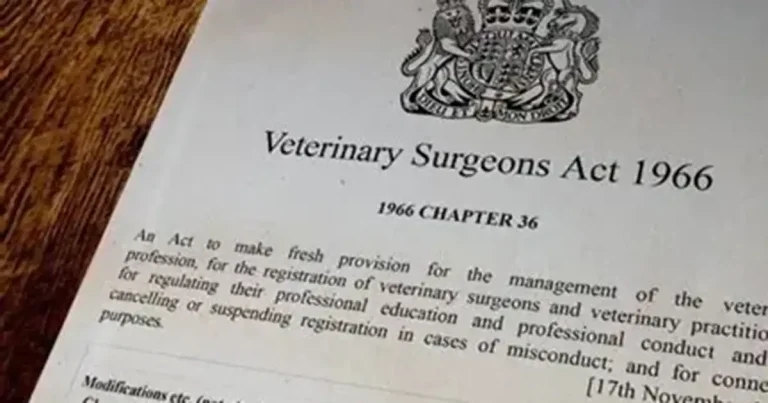
A new veterinary ombudsman is among the key proposals outlined by the Government today (Thursday) as it unveiled its plans for reforming the sector’s legislation.
In a new white paper on reform of the Veterinary Surgeon’s Act (VSA) 1966, Defra outlined a proposal for an independent service to investigate complaints on behalf of the public that have not been resolved through a practice’s in-house process or mediation.
The body also failed to rule out separating the RCVS’ regulatory and professional leadership functions as it set out plans for future governance of the sector, along with a range of other reforms for both veterinary professionals and businesses.
The ombudsman – which would apply to all veterinary businesses – would have the power to make legally binding decisions including ordering apologies or requiring compensation to be paid if it found in favour of the consumer.
On the college, Defra said it agrees “there are benefits to keeping professional leadership and regulation” together but will consider separating the functions “if it becomes apparent that this scope is not manageable for one organisation”.
Under the new legislation, the RCVS would be led by a 12-person board comprised of six veterinary professionals and six lay people.
Defra created the white paper following a consultation on VSA reform earlier this year, which received 6,219 responses, alongside recommendations from the Competition and Markets Authority (CMA), which outlined its final remedies for the companion animal sector in March.
Its proposals would also see veterinary businesses become subject to statutory regulation including a mandatory licensing system, inspections and published compliance reports.
Veterinary nurses would see their title protected and an expansion to the scope of tasks they can perform, while a new fitness to practise system would overhaul existing disciplinary processes.
Defra secretary Emma Reynolds said: “We’re modernising a system that hasn’t been updated for sixty years, putting pet owners first while giving vets the modern framework they need to support the future of the profession.”
UK CVO Christine Middlemiss echoed a similar sentiment: “The veterinary profession has changed enormously over the past 60 years, but the legislation underpinning it has not kept pace.
“This new framework will build a stronger, more resilient veterinary profession fit to meet the needs of the UK’s animal sector whilst ensuring the highest standards of care for our animals.”
CMA chief executive Sarah Cardell added: “We back the government’s proposals, which include our recommendations on regulating the sector.
“For the first time, these proposals would ensure that vet businesses are accountable to an independent regulator, while offering consumers more protection and a fairer deal.”