
1 Dec 2025
The vet group’s growth targets come despite a plunge in Pets at Home’s retail profits.

Chris Simpson
Job Title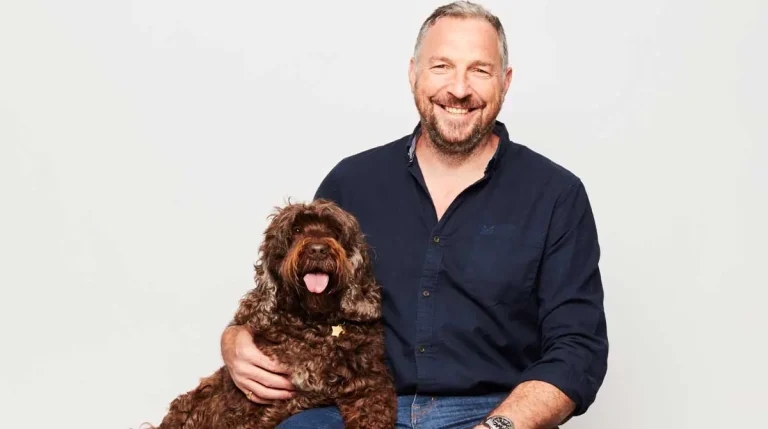
Richard Dening-Smitherman, MD of vet group Vets for Pets.
Vets for Pets is targeting 100 new practices in the coming years, its managing director has revealed.
Pets at Home announced in September its vets group was on track to open 10 new practices and complete 15 extensions over the year.
Former Burger King UK chief Richard Dening-Smitherman, who joined Vets for Pets last year, told Vet Times the company was aiming to increase the rate of new sites and extensions each year.
He said the company sees “25% of our business continuing to grow through” its extensions programme, while “in terms of organic growth and finding new sites, we still have about 120 potential opportunities within our pet stores” and have identified more than 200 other potential locations.
He added: “Ultimately, we think over the next five to six years we should be able to add another 100 practices to our business, and we should be able to extend 100 practices alongside that.”
Mr Dening-Smitherman said that 412 of its 453 practices (91%) were joint venture partner-owned and that the company was actively seeking new local partners to take on the remaining 41 sites.
Pets at Home’s September announcement also revealed the departure of chief executive Lyssa McGowan and the revision of its expected profit outlook for a second time this year amid a “subdued” pet retail market.
In contrast, Vets for Pets was said to be continuing to deliver growth and on track for another year of profit progress.
In November, Pets at Home’s interim results revealed its underlying pre-tax retail profits were down 84.1% on last year, while the vet group’s equivalent figure was up 8.3%.
Mr Dening-Smitherman said the business was navigating “continual change” in both the vet and retail sectors. He added: “We’ve always been a wider group, regardless of which part of the group has been stronger than the other at various points in time.
“We’ve seen absolutely no shift or impact of any changes within the business having a negative effect on our vets.”
He attributed Vets for Pets’ success to its “unique business model” and “market-leading support and service”, and practice owners who have “complete clinical freedom, complete operational freedom and set their own prices, define how their own practices operate within their own local communities”.
On fears of practice closures due to the Competition and Markets Authority’s proposed remedies for the sector, Mr Dening-Smitherman said that while Vets for Pets practices are “supported very heavily”, “we don’t hear a dissimilar voice across our business, and I think it’s very representative of the independent sector”.
He added: “We really need to make sure that the remedies aren’t overly onerous and that they don’t have unintended consequences, for the independent practices in particular.”
But he also felt the “direction of travel is pleasing in terms of where it could have been”, although he suggested “there’s still a way to go”.
“Ultimately, we have to live with the final conclusions,” he concluded.
Reflecting on his first year in the vet sector, Mr Dening-Smitherman said he had been “truly inspired by the sector and about our practice owners”, Vets for Pets’ charity work, including raising £1 million for the Woodland Trust, and its RVN Utilisation Skills programme.