
6 Jul 2026
Brachycephalic queens were more than three times as likely to encounter dystocia when giving birth compared with their non-brachycephalic counterparts.

Allister Webb
Job Title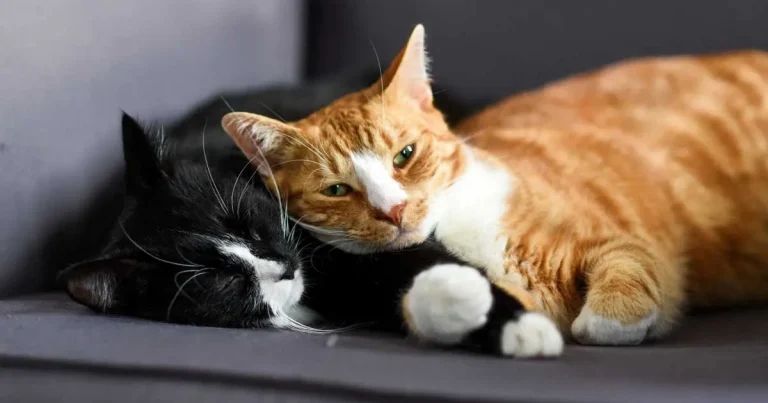
Image: Kozioł Kamila / Adobe Stock
Researchers have issued a fresh welfare warning after discovering heightened risk of dystocia in brachycephalic and purebred cats.
Scholars examined data from more than 100,000 female cats under care at 64 Vets Now clinics between 2017 and 2023 to estimate the incidence risk and risk factors for feline dystocia.
In the paper,they concluded their findings add to existing evidence that extreme cranial conformation may have severe health and welfare implications, and they advocated for greater focus on feline reproductive emergencies in undergraduate and postgraduate veterinary curricula.
They identified 1,102 dystocia cases among 118,168 queens, giving an overall incidence risk of 0.93%, although the researchers suggested the true incidence of dystocia among entire queens could be as high as 6.22%.
Purebred queens had 2.53 times higher odds of dystocia compared to cross-bred queens, while brachycephalic queens were 3.27 times more likely than non-brachycephalic queens.
Individual breeds with the highest odds of dystocia compared with cross-bred queens were the Devon Rex (odds ratio 10.38), Tonkinese (8.27), Birman (7.40), exotic (6.29) and British shorthair (3.81).
Caesareans were performed in 394 (35.75%) queens, with litters of five to six kittens 6.54 times more likely to require the procedure compared with litters of one to two.
During emergency care, 38 (3.45%) queens died, 36 by euthanasia and two unassisted, while the neonatal mortality rate was 1,072 of 2,784 (38.51%) kittens born across all dystocia cases, which the authors described as “concerningly high”. They suggested the findings could inform breeder education and owner counselling, and support continued raising awareness of the health impacts associated with extreme conformations.
The researchers further posited the study strengthens the case for legislative change around enforcement of welfare standards for cat breeding.
Vets Now internal auditor Lucy Leicester, who originally conducted the study as part of a BSAVA master’s in clinical veterinary research, said: “This study highlights that dystocia is not uncommon in cats and can have serious consequences for both queens and their kittens.
“The increased risk we observed in brachycephalic and purebred cats raises important welfare considerations – particularly as these breeds remain popular.”
Co-author Dan O’Neill, associate professor in companion animal epidemiology at the RVC and Dr Leicester’s academic supervisor, added: “These findings align with wider evidence on ‘innate health’ and the importance of prioritising functional conformation. While much of the research focus to date has been on dogs, this study reinforces that major welfare concerns apply to brachycephalic cats.
“Breeding decisions should place greater emphasis on health and ease of parturition, and this kind of data helps support more informed conversations between vets and owners.”
Vets Now’s head of veterinary standards, Zara Kennedy, concluded: “At Vets Now, we’re committed to using our clinical data to improve patient outcomes and support the profession with robust, real-world evidence.
“This study, which analysed [more than] 1,000 real-world emergency cases, is an important step in helping veterinary teams identify higher-risk cases earlier, guide client decision-making, and ultimately reduce avoidable complications associated with dystocia.”