
1h ago
Charities urge action over ‘Frankenstein’ cat breeds
Campaigners say tougher regulation is needed but Defra insists more research is required first.

Allister Webb
Job Title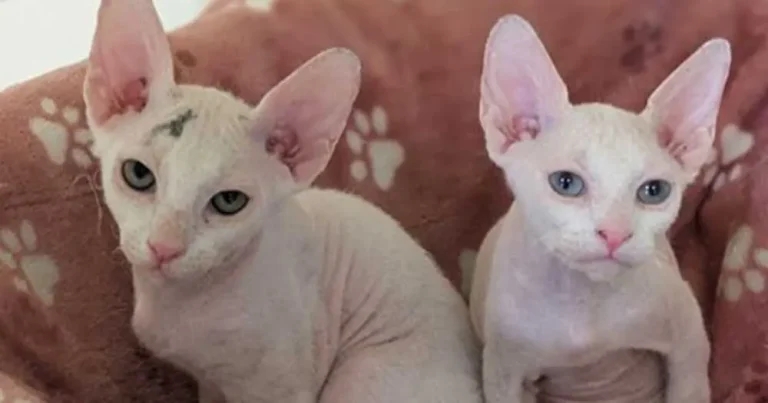
Charities are concerned about the growing popularity of breeds including the Scottish fold, sphynx (pictured), Persian and new XL bully types.
Two major welfare groups have demanded new breeding regulations to prevent the further emergence of what they describe as “Frankenstein cats”.
The call by the RSPCA and Cats Protection has been backed by a senior vet and academic, who warned of a welfare crisis similar to that facing dogs if nothing was done.
But Defra claimed current evidence was limited and new research was needed to help determine whether further measures are necessary.
Extreme features
The latest intervention comes amid a renewed focus on the impact of extreme features, which prompted a recent call for collective action to address the problem among all species.
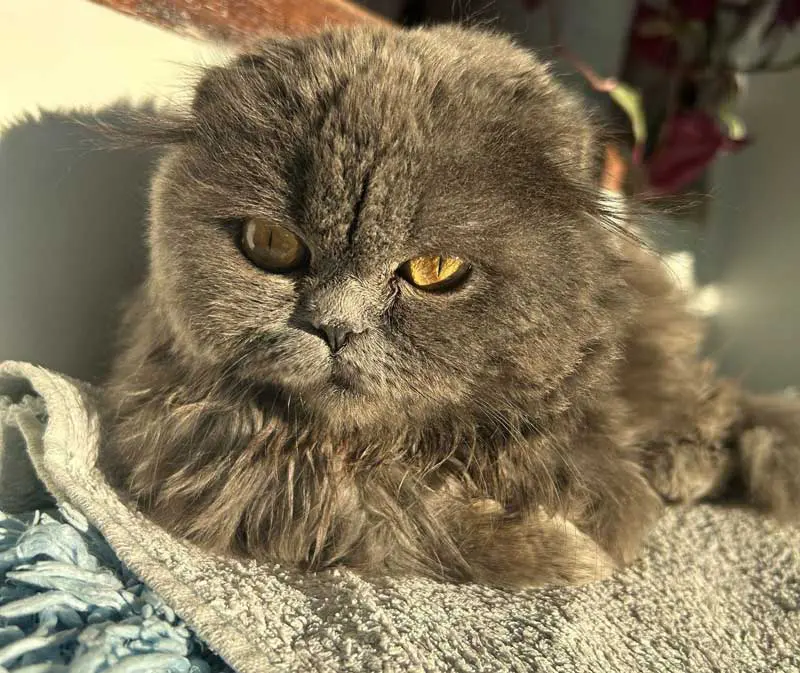
The charities said they were particularly concerned about the growing popularity of breeds including the Scottish fold – which is now estimated to account for 2% of the total UK cat population – as well as the sphynx, Persian and new XL bully types.
Cats Protection’s associate director of advocacy Madison Rogers said: “Cats’ body shapes have remained broadly similar for hundreds of years, but, in a relatively short space of time, this has dramatically changed.
“If action is not taken quickly, we are likely to see more alarming examples of what we are calling ‘Frankenstein cats’, who bear no resemblance to our beloved moggy and, tragically, come with multiple health issues.”
Formal regulation call
The charities want governments across the UK to formally regulate cat breeding and ban the breeding of types with traits that are known to be harmful.
More than 61,000 people have also signed a Cats Protection-led petition on the issue.
In response, a Defra spokesperson said it was working with the sector to improve its understanding of the situation and stressed that anyone selling cats or kittens as pets should be licensed to do so.
But while those comments are in line with commitments made in its animal welfare strategy published last December, the department maintained more work was needed to improve what it described as the “limited evidence” currently available.
It argued that work would inform whether further measures would be needed in the future.
Getting worse
However, while he agreed there was time to prevent current problems from getting worse, RVC professor of companion animal epidemiology Dan O’Neill argued the experiences of other species demonstrates what is now at stake for cats.
He said: “In dogs, a century of selecting for exaggerated body shapes has brought us to a welfare crisis that is now impossible to ignore. We must not allow cats to follow the same path.”
Work to develop an Innate Health Assessment for cats, similar to a protocol launched for dogs last November is also underway and Prof O’Neill stressed: “The goal is not to stop people loving particular types of cats.
“It is to change what we value in them – so that healthy body shapes become the new normal and no cat has to sacrifice their ability to breathe, move, communicate or simply be a cat just because humans decided an extreme appearance was desirable.”