
23 Mar 2026
New guidelines described as a “modern, practical, welfare-focused resource for the profession”.

Chris Simpson
Job Title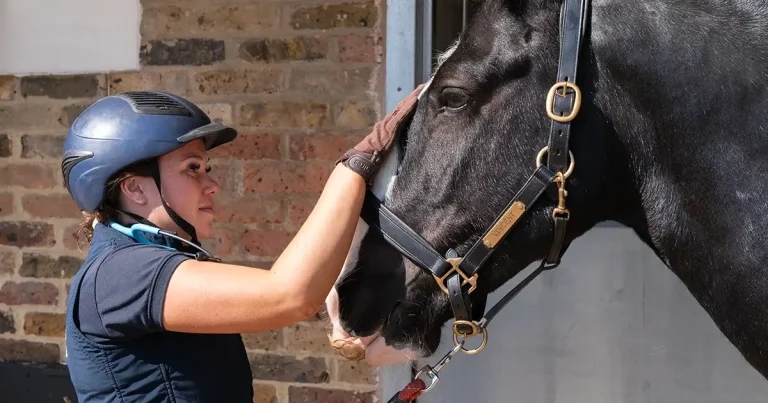
Image: Scott Dunn's Equine Clinic / CVS
BEVA has published updated guidelines for euthanising horses insured for mortality.
The association reviewed its existing guidance, last published in 2009, and developed the new guidelines in response to a need for updated clarity and consistency in matters potentially involving euthanasia.
Specifically designed to act as a practical resource for vets in the field to ensure the horse’s welfare is prioritised, the updated guidelines incorporate expertise from both vets and insurance industry representatives.
Officials suggested they will also serve as a valuable reference document for horse owners, insurers, trainers, and event and race organisers.
The guidelines’ list of conditions is said to reflect updates in veterinary science and clinical knowledge in the years since they were last published and aims to include all scenarios equine vets in the UK are likely to encounter.
The list of conditions covers examination procedures, protocols for definite and suspected grounds for emergency euthanasia and defining where they may not be grounds for emergency euthanasia.
It also addresses managing cases of chronic disease and/or pain with negligible prospect of recovery.
Equine vet Ian Beamish, who led BEVA’s guidelines working group, said: “The new guidelines are a modernised version of the outdated 2009 guidelines, with a carefully revised list of conditions and their prognoses, updated language, and revised protocols on grounds for euthanasia.
“It is important to note that while we may advise euthanasia, we may not advise on the insurance policy conditions; this is a matter for the insured and insurer to discuss.
“We are grateful to the vets and insurance industry representatives who contributed to the development of the guidelines. Their input has been invaluable in helping to create a modern, practical, welfare-focused resource for the profession.”
The guidelines follow BEVA’s recently updated guidance for treating horses of unknown ownership.