
13 May 2026
Jon Townsend believes mentorship can help combat retention issues within the veterinary profession.

Chris Simpson
Job Title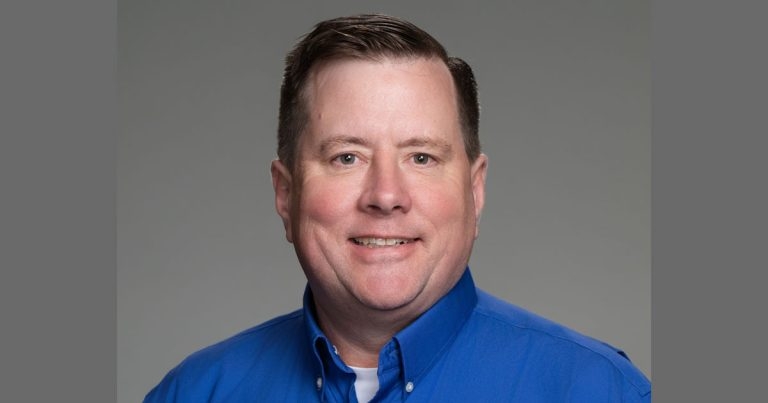
Jon Townsend, president of NAVC's board of directors for 2026-27.
The North American Veterinary Community’s (NAVC) new board president has said the primary focus of his tenure will be expanding mentorship opportunities across the veterinary profession.
The NAVC appointed dairy vet Jon Townsend as president of its board of directors for 2026-27 earlier this year.
Speaking on the Vet Times Podcast, he said: “It’s really been one of the top honours in my career to be involved in NAVC and [to] try to give back to the profession that’s been so good to me.”
He added: “Mentorship is something that’s very important to me… and really helps give the foundation to a successful career.”
Dr Townsend recalled his first month in practice, when one colleague helped him build the “vet box” for his truck over pizza and beer each night, while another who lived next door to the clinic would check in on him while dealing with overnight emergencies.
He continued: “I think that kind of mentorship really helped me become the successful veterinarian that I am.
“It just meant a lot to me to have that support and be able to discuss with experienced mentors what I could be doing better, the things to help me through tough times and just [knowing] that they had my back was huge for me.
“I think all of the members of our veterinary community deserve that, and we can do a much better job.”
Dr Townsend said he is hoping to push forward the NAVC’s work with MentorVet, which runs support programmes for early and mid-career vets and veterinary technicians, HiVE, which supports the wider veterinary team, and its Birds of a Feather roundtable discussions at the VMX conference tackling topics including staffing, retention and clinical education.
He suggested the improved mentorship could help with retention issues.
The vet said: “We worry about trying to get people into the veterinary profession, whether it be as a veterinarian or as a technician/nurse, but I want to make sure they stay in the profession.”
He said for all practice staff, the community needs to “make sure that they’re being heard, that they are satisfied in their careers, and that they’re getting the support they needed”.
Dr Townsend also argued that vet nurses and techs can act as a “force multiplier” in addressing veterinary shortages across the United States.
He said: “Our technicians are underappreciated, maybe underpaid, and people don’t understand how valuable and how many services they can actually provide.
“If we utilise our technicians more efficiently and to their extent of their capabilities, [then] we will actually take care of some of that veterinary shortage question.”
The NAVC has joined the American Veterinary Medical Association in backing legislation designed to address rural veterinary workforce shortages, and Dr Townsend concluded: “From an NAVC perspective, we stand ready to roll up our sleeves and support however we can.”
Check out the podcast below or via our Podcast page.