13 Nov 2026
The animal health company said Asia is a “priority region” and will receive the chemistry analyser next year.

Chris Simpson
Job Title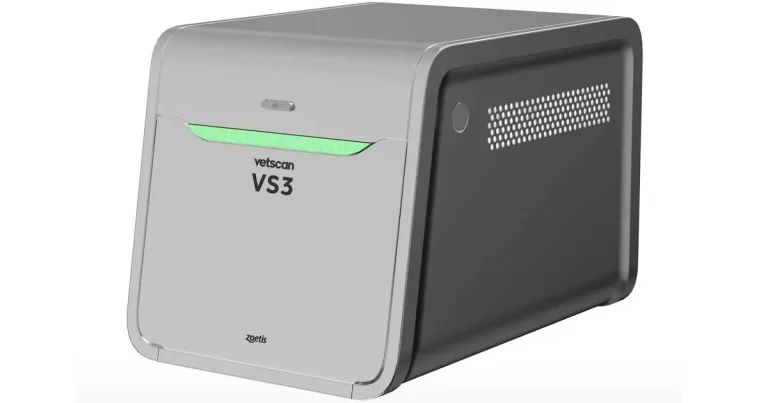
Zoetis has debuted its Vetscan VS3 point-of-care chemistry analyser in Asia ahead of an expected launch in early 2027.
The animal health company showed off the new technology, which expands on its VS2 chemistry platform, at the 2026 Federation of Asian Small Animal Veterinary Associations Congress in Taiwan.
It features an expanded assay menu across four rotor configurations, with a range of diagnostic parameters including creatine kinase, magnesium, triglycerides and C-reactive protein, a first for Zoetis’ in-clinic offerings.
The platform is said to deliver results in minutes to enable conversations with pet owners and clinical decisions to be made more quickly.
Zoetis said it plans to initially rollout Vetscan VS3 in Thailand, the Philippines, Indonesia, Singapore and Taiwan early next year, with the rest of Asia to follow.
The company also plans to bring its Vetscan OptiCell haematology analyser to the region in 2027.
Zoetis’ president of global diagnostics, Diego Garcia, said: “Vetscan VS3 reflects our commitment to advancing veterinary diagnostics in ways that strengthen clinical decision-making.
“Asia is a priority region, and this launch expands access to connected point-of-care chemistry testing designed to support veterinary teams through the technology itself, as well as the field support, training and education that helps clinics use diagnostic information effectively in day-to-day care.”
Vet Tinh-Son Nguyen, Zoetis’ international diagnostic medical manager, added: “Chemistry testing is fundamental to everyday veterinary practice, from supporting earlier disease detection to managing acute and chronic conditions and ongoing patient monitoring.
“Across Asia, veterinary teams are working in diverse practice settings, where timely access to comprehensive in-clinic diagnostics can make a meaningful difference.
“Vetscan VS3 helps to streamline workflows so veterinary teams can focus on patient care and client conversations.”