
22 Jan 2026
Survey also revealed just 23.4% of farmers questioned were using the licensed vaccine.

Chris Simpson
Job Title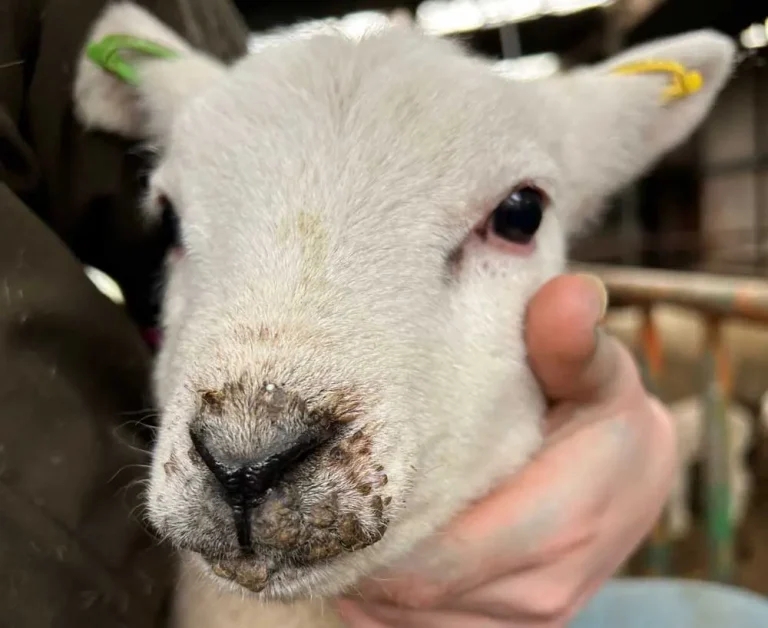
Sheep farmers may be misusing antibiotics to treat orf, a new study has revealed.
Conducted by the RVC and NoBACZ Healthcare, the study comprised a survey of sheep farmers on the prevalence, economic impact, treatment and zoonotic impact of the viral skin infection.
Despite orf being a viral disease with no justification for antibiotics where secondary infection is not present, more than two-thirds (68.4%) of the 421 respondents were using antibiotics as part of their treatment.
Of those, 65.2% were using topical spray antibiotics, 26.7% were using injectable antibiotics, while pain relief and rock salt licks were used by 34% and 14% of respondents, respectively.
Vaccination figures were low; despite 88% having been affected by orf on their farm (and 73.3% of them within the p ast 12 months), more than three-quarters (76.6%) were not vaccinating against it.
NOAH classes orf as a category two vaccination, recommended as best practice with flexibility in application subject to vet and farmer review.
Of those affected by orf, 90.3% reported it in naturally reared lambs and 78.3% in orphan lambs, while in adult animals, it was reported in 50% of ewes and 10.9% of rams.
Almost a third (30.2%) of respondents had contracted orf themselves in the past, 18.2% of which had done so in the last 12 months.
Despite 72% of respondents slightly or strongly agreeing with the statement “I worry about contracting orf myself”, a third of respondents reported never wearing gloves when handling sheep.
Co-author David Charles said: “The impact of orf on flocks is huge, and little has been done to assess treatment approaches or the economic impact of orf for over a decade.
“The new study revealed a median cost per affected lamb was £5.00 and farmers highlighted treatment costs, time involved in treatment, and ewes with mastitis as the biggest areas where these economic losses occur.
“Management of an orf outbreak can be challenging and there is currently no licensed treatment for the disease. Antibiotics are often not an appropriate choice for the management of orf, and proven antibiotic-free alternatives are a more responsible first choice.”
NoBACZ Healthcare recommends the use of Ambugreen, a gel barrier said to be long-lasting and durable that provides physical and microbial protection to prevent the passage of microbes, allowing for natural healing underneath.