
14 Oct 2026
Directorate urges animal keepers to get a prescription from their vet and use registered suppliers following reports of unlawful sales.

Allister Webb
Job Title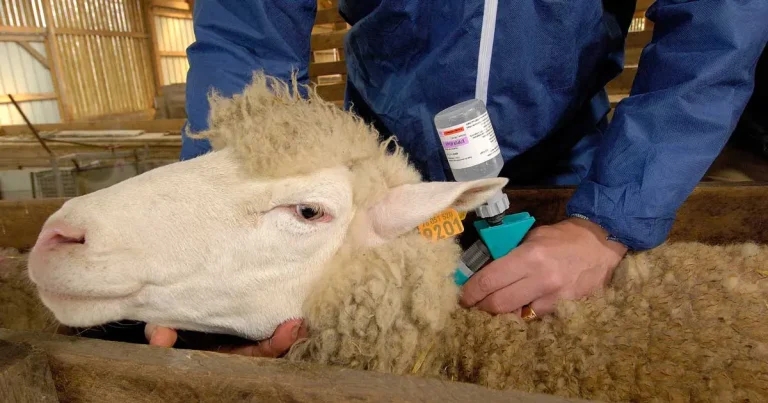
Image: S Leitenberger / Adobe Stock
An alert has been issued over fears that leftover bluetongue vaccines may be being bought and sold illegally.
The VMD has warned animal keepers to only seek vaccine supplies from registered suppliers, following reports of unlawful exchanges taking place via social media platforms.
Seven instances have been reported between 21 August and 30 September, with all the posts removed. However, officials say the practice poses “significant risks to animal health”.
A VMD statement continued: “Once a product leaves the authorised supply chain, there can be no guarantee that it has been stored, handled or transported correctly, potentially affecting its quality, safety and effectiveness.
“Animal keepers have been taking action to vaccinate their animals against BTV-3 and we encourage keepers to continue to do this.
“We want to ensure you have access to vaccines that are effective and safe.”
The directorate’s appeal follows both supply challenges during the current outbreak and previous revelations about the scale of its work to tackle illegal sales.
Because the vaccines against the BTV-3 virus strain are classified as prescription-only products, animal owners cannot legally supply them to each other, even if the product has been prescribed by a vet.
The VMD said keepers who are buying vaccines online should both obtain a valid prescription from their vet and check its register of authorised online retailers.
Officials have also urged keepers to return leftover vaccine to their vets and ensure any products that are decanted by vets or administered to animals under different ownership are only used within the 10-hour broach period from when the packaging is opened.
Concerns about potentially illegal medicine sales can be reported online or by telephoning 01932 338338.
As of yesterday (13 October), 3,370 cases of either BTV-3 or an unknown serotype have been confirmed in the UK during the current outbreak, while a further 478 potential incidents remain under investigation.