
6 Jan 2026
Ellie Kohut DipVN, APVN, RVN explains the common dental conditions in small animals, and how nurses can help prevent what remains a prevalent condition in UK veterinary practices.

Ellie Kohut
Job Title
Image: Rubab / Adobe Stock
Dental disease remains one of the most prevalent and preventable health concerns seen in small animal practice.
Research from the RVC highlights the scale of the problem across species. It revealed that one in every eight dogs suffers from dental disease each year (RVC, 2021) and in cats, periodontal disease was formally recorded in 15.2% of cases, making it the most common disorder identified, with age and breed recognised as significant risk factors (RVC, 2023).
The issue extends beyond dogs and cats, however, and more than one in seven companion rabbits under primary veterinary care in the UK are affected by dental disease, a condition known to cause severe pain and reduced welfare (RVC, 2024).
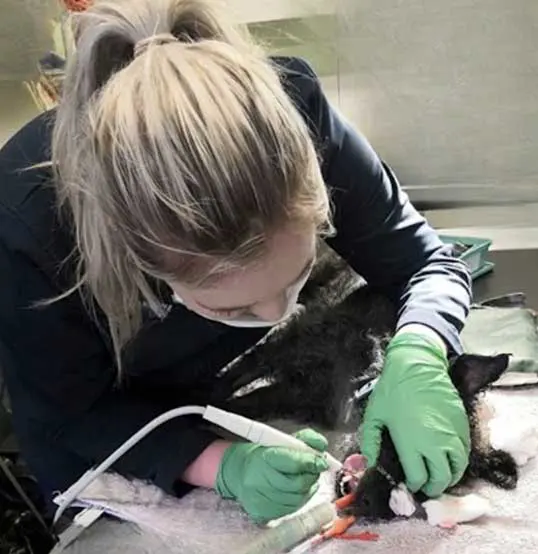
These findings emphasise that oral health is a welfare concern across all companion species. Despite its high prevalence, dental disease can be prevented through owner intervention and compliance, early detection and routine professional monitoring.
This article will explore the importance of preventive dental care across different species and the key role veterinary nurses play in promoting and delivering it. It will cover the different ways dental disease can present and how early identification and client education can improve outcomes.
The article will also discuss how nurse-led dental clinics can be structured to encourage owner engagement, provide practical demonstrations that owners can do at home and support ongoing monitoring to maintain long-term oral health.
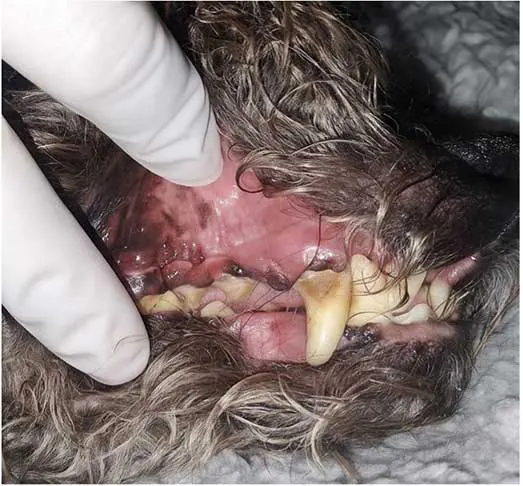
Dental disease can present differently across species, but each form can cause pain, infection and welfare concerns. Many types of dental issues can occur, but the most common include the following.
Periodontal disease is the most common dental condition seen in veterinary practice. It occurs in two main forms: gingivitis and periodontitis. The process begins with the accumulation of plaque on the tooth surface. If this is not removed, it mineralises into calculus, leading to inflammation of the gums (gingivitis).
Over time, this inflammation can progress to periodontitis, resulting in destruction of the supporting structures of the tooth (Cooper et al, 2020).
Gingivitis represents the early and reversible stage of periodontal disease. It is characterised by inflammation of the gingiva without any loss of the underlying supporting tissues. Common clinical signs include reddening of the gums, swelling along the gingival margin, halitosis and bleeding when contacted. With good oral hygiene and professional cleaning, gingivitis can be effectively reversed (Reiter, 2018).
Periodontitis is the advanced and irreversible stage of periodontal disease, involving damage to the gums, ligaments and bone that support the teeth. It usually develops after a long period of plaque, tartar and untreated gingivitis. Small-breed dogs are more commonly affected than large breeds and the back teeth are usually affected more than the front, with the upper teeth often more severely involved than the lower (Reiter, 2018).
Tooth resorption is a condition where the structure of the tooth begins to break down, often starting inside the tooth and spreading outward. The exact cause is unknown, but it’s one of the most common causes of tooth loss in cats, affecting between 30% and 70% of the feline population.
Affected teeth may show a pink defect where the tooth meets the gum line, indicating damage beneath the surface. Treatment depends on the severity of the damage, but often involves removing the affected tooth to relieve pain and prevent further issues (Cornell Feline Health Centre, 2017).
Rabbits and other small mammals have unique dental anatomy and specific care requirements. In species such as rabbits, guinea pigs and hamsters, the teeth grow continuously throughout life, making them particularly susceptible to overgrowth if normal wear is disrupted.
Overgrown teeth may result from congenital malocclusion, or from acquired causes such as an inappropriate diet, lack of access to hay or insufficient opportunities to chew on suitable enrichment items. As the teeth elongate unevenly, sharp dental spurs can form on the molars, which may cause painful ulcers on the tongue or cheeks (Bishops Stortford Veterinary Hospital, 2018).
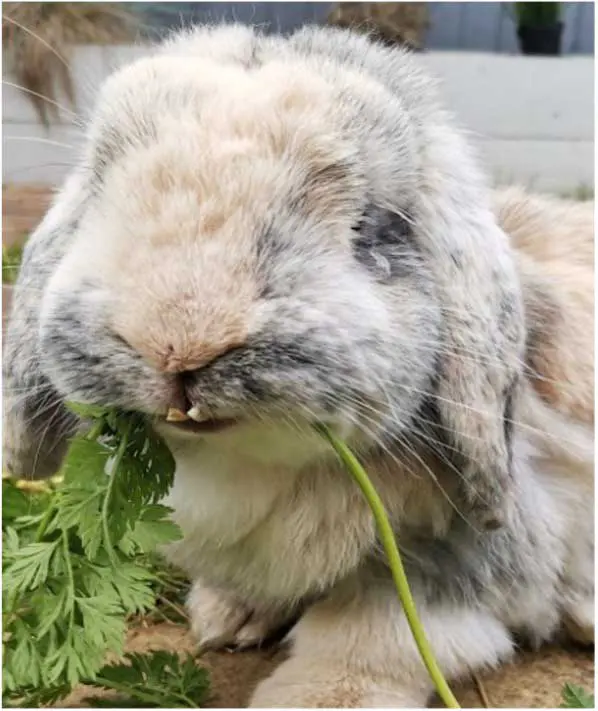
Another common and serious condition in rabbits and small mammals is a tooth root abscess, a painful infection that develops around the tooth root. Early intervention is key to ensure it is identified and treated promptly to try to achieve a better prognosis (PDSA, 2023).
When these patients present with signs of dental overgrowth or discomfort, it is essential to identify and address the underlying cause promptly. Dental pain and overgrown teeth can often lead to a reduced appetite or complete anorexia, which can quickly progress to gastrointestinal stasis.
Regular dental checks are essential for exotic species, as these animals are often skilled at masking signs of pain and discomfort until disease is advanced. Subtle changes in eating habits, behaviour or grooming may be the only early clues that something is wrong.
It is important that all members of the veterinary team recognise that dental health is not exclusive to cats and dogs and increasing awareness and understanding of oral disease in these species ensures earlier detection, more effective treatment and improved overall welfare.
Preventive dental care is essential to maintaining good oral health and reducing the need for dental procedures under anaesthesia. Once plaque hardens into calculus, it becomes difficult to remove without professional scaling, so early and consistent home care is key.
Brushing teeth is gold standard when it comes to preventive dental care. Research shows that regular tooth brushing is highly effective in maintaining oral health. In a controlled study involving dogs, those that had their teeth brushed daily or every other day had significantly less plaque, calculus and gingivitis compared to those that were brushed less often, highlighting the importance of brushing teeth consistently (Harvey, Serfilippi and Barnvos, 2015).
However, some pets won’t tolerate having their teeth brushed, which can make preventive care a little trickier. In these situations, dental diets, chews and supplements provide a practical alternative. Before selecting the aforementioned options, owners should be encouraged to seek advice from their veterinary practice to ensure the product is appropriate for their pet’s individual needs. They can also refer to the Veterinary Oral Health Council (VOHC) website for a list of products that have been independently assessed for safety and efficacy (Bellows, 2016).
These are designed to reduce plaque and calculus while chewing in several ways. To begin with, the kibble size is often larger to ensure that each piece is chewed, not just swallowed. Some have a special texture allowing the teeth to sink into the kibble, therefore scrubbing the entire surface of the tooth but not under the gumline. Lastly, some dental diets may be coated with a chemical agent to reduce calculus formation (Istace, 2019).
Dental chews provide mechanical cleaning while also offering enrichment. Long-lasting chews, such as yak chews, are particularly popular for dogs, though care must be taken to avoid tooth fractures or gastrointestinal issues. Many chews are also enhanced with antimicrobial agents, which are increasing their effectiveness in controlling plaque (Istace, 2019).
Supplements, such as oral gels, water additives and enzymatic products, can provide useful support in maintaining oral hygiene. Water additives work by reducing the bacteria responsible for plaque formation and bad breath.
Dental gels and rinses often contain enzymes that help to break down existing plaque and limit bacterial growth within the mouth (Adley, 2024). Other products, such as seaweed-based supplements (for example, Vetpro’s oral health products), act by softening existing plaque and making it easier to remove through natural chewing activity.
While these alternatives may not replace brushing, they are a valuable option for pets that won’t allow for regular tooth brushing, as well as for those that do tolerate it but where owners want to ensure optimal dental health. They support ongoing oral hygiene and help slow the progression of dental disease between professional cleaning.
Veterinary nurse-led dental clinics provide a structured approach to preventive oral care, supporting both pets and owners in maintaining long-term dental health. The clinic typically begins with a comprehensive dental assessment, during which the nurse examines the teeth, gums and oral cavity. Each pet’s oral health is graded using a dental scoring system from 0 to 4 (Table 1).
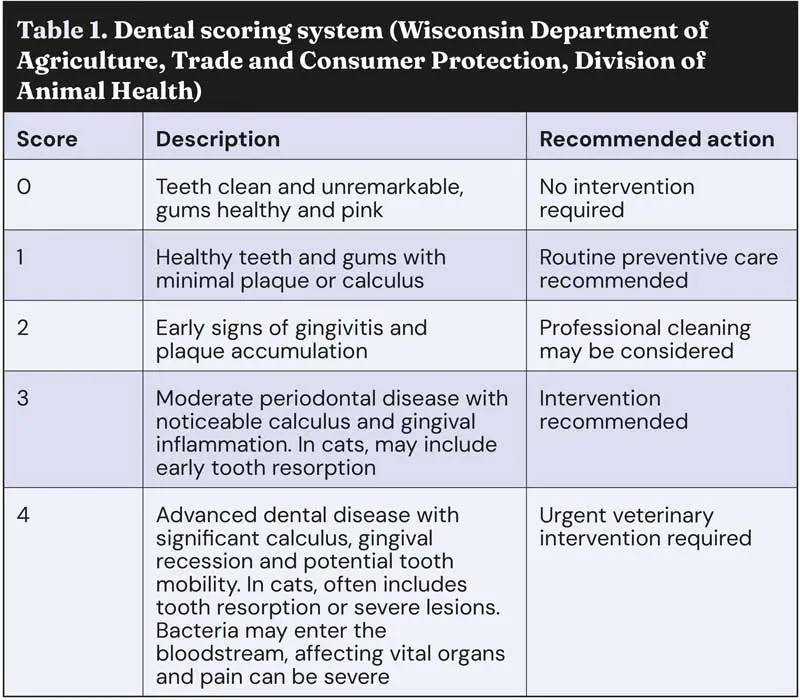
This scoring system helps to assess the severity of dental disease, guide treatment recommendations and establish a baseline for monitoring progress over time. While nurses cannot formally diagnose dental disease, they can identify abnormalities such as lumps, tooth fractures, resorptive lesions or signs of decay and assess the severity of dental issues. If concerns are identified, it’s important the patient is referred to a veterinarian for evaluation and treatment.
Following a dental assessment, personalised advice can be provided to the owner based on the pet’s individual needs. For pets with significant dental disease, this may involve recommending a dental procedure under anaesthesia, explaining what to expect in terms of extractions, what a scale and polish will achieve, recovery and associated costs. Clear communication ensures owners understand the procedure and its importance for long-term oral health.
For pets with milder disease, preventive care can be emphasised, including regular tooth brushing. Demonstrating the correct technique in consult and advising on frequency helps owners implement effective home care. When owners are unsure which products to use, guidance on veterinary-approved toothpastes, brushes and oral gels is essential, explaining how these reduce plaque and calculus formation.
Additional recommendations may include dental diets, chews or water additives, with explanation of how each product supports oral health and can be incorporated into the pet’s routine. It should be highlighted that these measures support dental health and slow disease progression, but do not replace professional intervention when required. Establishing a clear plan allows for ongoing monitoring and tailored advice to optimise oral care.
Even during a standard health check, a thorough assessment of the teeth and oral cavity can transform the appointment into a mini dental clinic. Nurses can provide education alongside clinical scoring, rather than simply recording findings. For example, if a pet’s dental score is three or four, it is important to explain to the owner what this means, the potential impact on their pet’s health and the steps that can be taken to help. Many owners may not realise the severity of dental disease, so guidance on home care, diets, chews, tooth brushing and professional treatment options is essential to support oral health and slow disease progression.
By combining dental scoring, hands-on demonstrations, client education and ongoing monitoring, nurse-led dental clinics empower owners to actively maintain their pet’s oral health. This structured approach prevents the progression of dental disease, improves comfort and welfare, and supports the long-term health of dogs, cats and small mammals alike.
Preventive dentistry promotion within the practice requires all staff members to prioritise education and client engagement. It is important that all staff members, from receptionist to veterinarians, understand the importance of preventive dental care so that a clear and consistent messaging is delivered across every consultation and interaction.
One effective strategy is to integrate dental checks into routine consultations and nurse clinics. For example, including a brief oral health assessment during weight clinics, vaccination appointments or postoperative checks provides valuable opportunities to identify early signs of dental disease and open conversations about prevention. These routine interactions can help normalise dental discussions and make clients more receptive to advice on tooth brushing, diets and oral care products.
Furthermore, educational materials, such as posters, leaflets and social media content, can further reinforce preventive messages outside of the consult room. Short videos demonstrating correct tooth brushing techniques or explaining the importance of regular dental checks can be particularly effective in engaging clients.
Dental health campaigns can also be highly effective when used within the practice. Offering incentives such as free nurse-led dental checks or discounts on dental products can encourage clients to visit the practice and make them more receptive to discussions about oral health.
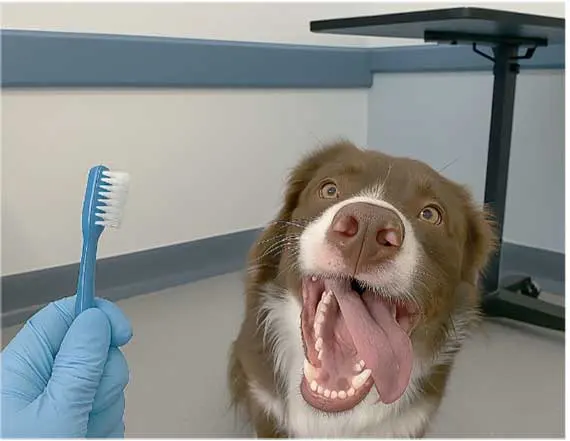
Preventive dentistry is essential to maintaining oral health and overall welfare across all species. Veterinary nurses play a key role in promoting good dental care through education, early detection and regular monitoring.
Nurse-led clinics provide valuable opportunities to engage clients and demonstrate effective home-care techniques, helping to reduce the prevalence of dental disease. It’s important to remember that oral health is not exclusive to dogs and cats, but to rabbits and other small mammals too, and that they require the same level of care. By working proactively, the veterinary team can prevent dental disease progression and enhance long-term well-being for all patients.
Ellie Kohut has been in practice for seven years, but qualified as an RVN two years ago from Bottle Green Training. With a strong passion for exotic animals, Ellie has recently finished the advanced programme in veterinary nursing small mammal certificate. In addition to her interest in exotics, Ellie enjoys consulting with pet owners and has a keen interest in emergency and critical care, as well as working with geriatric patients.