6 Jan 2026
Ellie Kohut DipVN, APVN, RVN provides guidance on countering seasonal weight gain in dogs and cats through nurse-led clinics.

Ellie Kohut
Job Title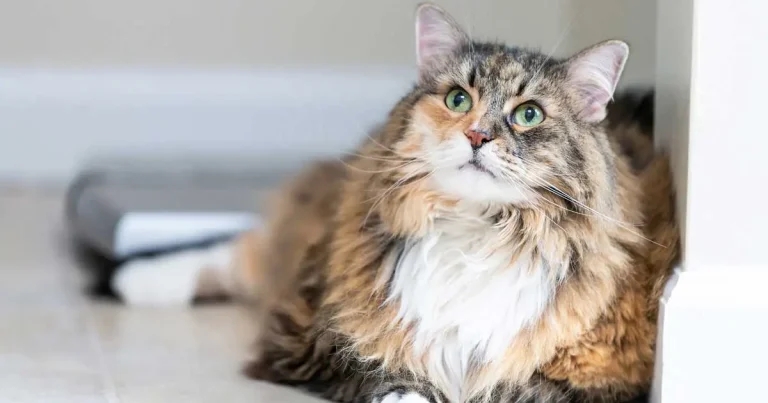
Image: Andriy Blokhin/ Adobe Stock
More than half of the world’s pets are now considered overweight or obese, with studies estimating that around 63% of cats and 59% of dogs fall into this category (Purina, no date). Obesity is linked to a wide range of secondary health problems.
In dogs, excess weight has been associated with conditions such as osteoarthritis, renal disease, skin disorders, insulin resistance and certain neoplasias.
In cats, obesity is commonly linked to dermatological issues, diabetes mellitus, neoplasia and urolithiasis (Wakshlag and Loftus, 2014). During the festive period, pets are particularly susceptible to weight gain, and this article will explore how to manage overweight pets and how to conduct effective weight management clinics.
This article also features a case study of Sabrina, a dog adopted by the author shortly after the festive period, with a body condition score (BCS) of 7/9 and weighing 31kg. Through structured, nurse-led weight management clinics, Sabrina achieved a healthy body condition and sustainable weight loss. Her journey illustrates the successes that owners and veterinary teams can achieve when managing obesity in practice.
The festive season can be a particularly challenging time to maintain a healthy weight and a lot of pets are susceptible to weight gain. Achieving long-term weight loss requires daily effort and consistency, but Christmas brings unique challenges. Colder weather, darker mornings and shorter days often lead to reduced exercise, owners tend to be at home more and therefore inadvertently offer extra food and treats. Pet-specific indulgences, such as advent calendars, festive treats and “dog wine”, are widely available, and owners may assume that because these products are marketed for pets, they are harmless. However, many of these treats are high in calories and can quickly contribute to weight gain if given in excess (Veterinary Practice, 2017).
In addition, owners often become more lenient over the festive period, adopting the familiar mindset of “oh, go on then, it’s Christmas”. While well-intentioned, this relaxed attitude can quickly undo months of careful weight management, especially when pets learn that persistence is rewarded with extra treats.
Veterinary nurse-led weight management clinics play a crucial role in supporting owners to help their pets achieve and maintain a healthy bodyweight, particularly after the festive period.
Despite the growing prevalence of obesity, only around 30% of owners recognise that their pet is overweight (Jobson, 2022), highlighting the importance of ongoing owner education.
Nurse-led weight management clinics provide an effective framework for improving owner awareness, promoting healthier lifestyle choices and supporting sustainable weight loss.
The first step in any weight management plan is to perform a thorough assessment of the patient.
This should include obtaining an accurate bodyweight and determining a BCS. It can be beneficial to involve the owner in this process by showing them a BCS chart, encouraging them to feel their pet’s body and asking where they believe their pet falls on the scale.
This interactive approach promotes awareness among owners, helping them reflect on their pet’s current weight status, and this can reduce defensiveness or denial about weight concerns. This assessment provides a baseline for monitoring progress and allows for meaningful discussions with owners about their pets’ current condition.
In addition to recording the patients’ weight, taking measurements of the chest, waist, and neck circumference can be beneficial. These measurements can help identify subtle improvements that may not yet be visible on the scales. Highlighting these small, but positive, changes can motivate owners to stay committed to the plan and reinforces that nurse-led weight clinics are both effective and rewarding.
Before implementing a weight management plan, it’s important for the veterinary surgeon to rule out any underlying medical conditions that could contribute to weight gain, such as hypothyroidism or hyperadrenocorticism, if any are suspected.
Other conditions, such as arthritis, can reduce a pet’s activity levels and, therefore, contribute to weight gain. These cases may require medical intervention alongside appropriate dietary management.
Once any medical conditions have been ruled out or are being managed, the veterinary nurse can work with the owner to develop an individualised weight loss plan tailored to a patient’s needs and owner’s lifestyle.
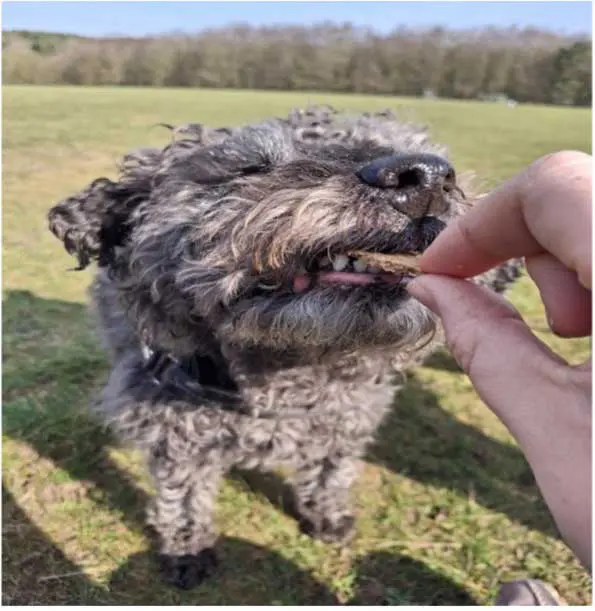
The patient’s calorie deficit should be calculated to determine the amount of food that can be fed based on the patient’s ideal bodyweight and activity level. Owners should be encouraged to weigh food accurately according to the recommended daily calorie intake, ensuring that any treats are included in this calculation. Treats should be limited or replaced with low-calorie alternatives or non-food rewards, such as playtime, toys or attention.
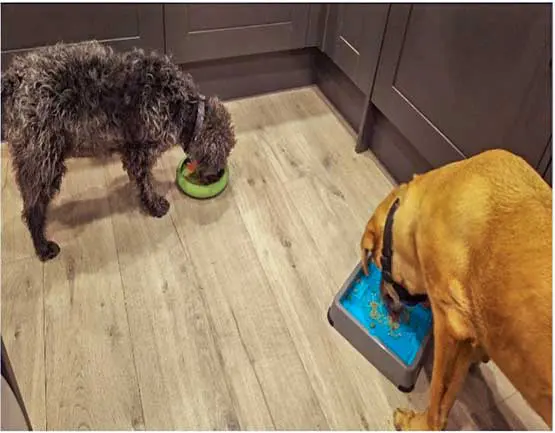
Owners’ compliance often stops when they feel that the patient continues to feel hungry due to controlled portions. To overcome this issue, switching to a weight-management or satiety diet can be beneficial. These diets are specifically formulated to promote weight loss while helping pets feel full. They typically have a lower energy density, allowing the patient to eat a satisfying volume of food with fewer calories. They are also higher in protein to preserve lean muscle, higher in fibre to enhance satiety and lower in fat to reduce calorie intake. Additionally, they contain an enhanced concentration of essential vitamins and minerals, ensuring that the patient’s nutritional requirements are still met, even when fed reduced portions (Grant, Williams and Ward, 2024)
After the festive season, many pets will have received gifted treats and owners may also have leftovers from Christmas dinners and other celebrations. While it can be tempting to continue offering these, doing so may slow down weight loss progress or contribute to further weight gain. Owners should be encouraged to set clear boundaries around treat use and be advised to continue with measured, nutritionally balanced meals, ensuring any treats remain within the pet’s daily calorie allowance. At times, a gentle reminder that being “cruel to be kind” is an act of genuine care that can help owners understand that these small sacrifices support their pet in achieving a healthier, happier and longer life.
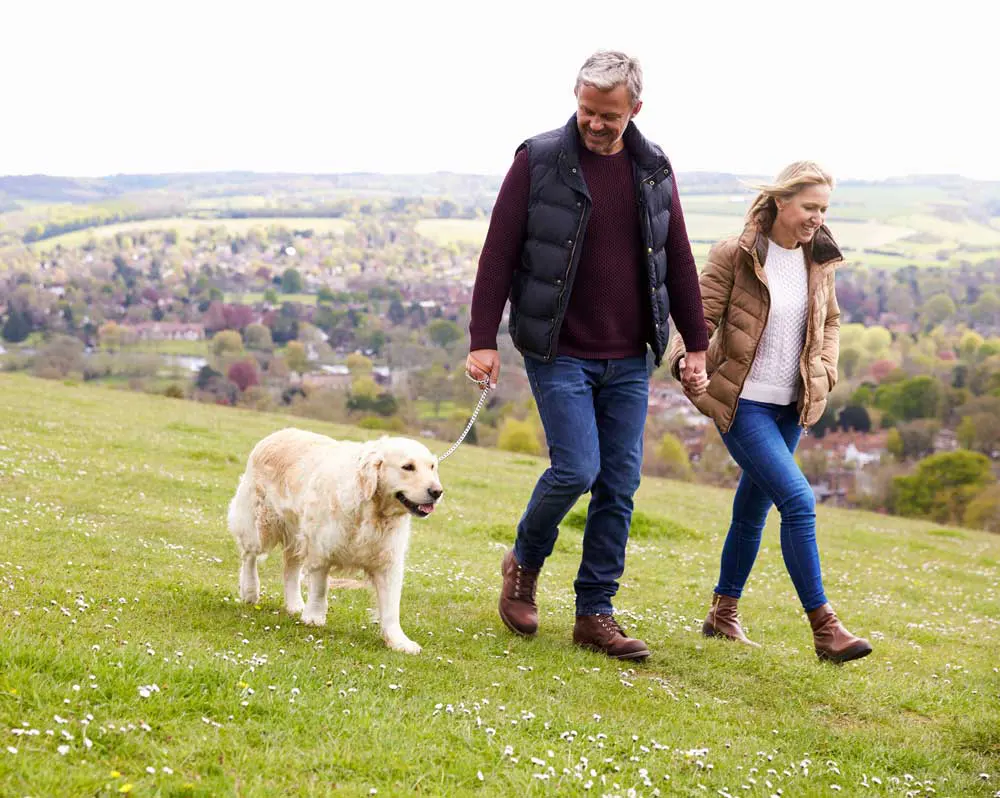
Alongside dietary adjustments, exercise plays a vital role in promoting healthy, sustainable weight loss. Activity levels should be tailored to the patient’s age, breed and physical ability. For example, dogs with mobility issues such as arthritis may benefit from low-impact activities like swimming or multiple shorter walks instead of longer or more strenuous sessions. Gradually increasing exercise intensity helps prevent injury, supports muscle tone and aids sustainable weight loss (Fitzroy Vet Hospital, 2023).
Encouraging owners to integrate activity into their pet’s daily routine, such as extending walk durations, adding interactive play sessions or using puzzle feeders, can make the process enjoyable and sustainable. Combining a controlled calorie deficit, an appropriate diet and regular exercise provides the best chance of achieving long-term weight loss and improved overall well-being.

Before and after photographs are a powerful motivational tool, providing a clear visual representation of progress that can encourage owners and help sustain their commitment throughout the weight loss journey. Owners see their pets every day, and therefore subtle changes such as a more defined waistline or a higher abdominal tuck can easily go unnoticed. Regularly taking progress photos allows for direct comparison over time, helping owners appreciate the results of their efforts and reinforcing that the plan is effective and worth continuing.
When conducting weight management clinics, it’s important to set realistic and achievable goals for owners to work towards. Having a clear target provides structure to the plan and helps keep both the owner and the veterinary team focused and motivated throughout the process. Each goal should be tailored to the individual patient. For example, it wouldn’t be healthy or sustainable for a Jack Russell to lose 2kg in a month, whereas this rate of loss may be appropriate for a German shepherd.
Maintaining owner engagement is key to long-term success. Regular follow-up appointments, ideally every four weeks, provides an opportunity to monitor progress, adjust calorie intake, offer encouragement and just touch base. Small rewards can make the process enjoyable for both the patient and owner. Use certificates, rosettes or toys so milestones can really be celebrated, and reinforce positive behaviour. These incentives can also help strengthen the bond between the clinic and the client, increasing the likelihood of ongoing participation and success.
Structured veterinary weight management programmes can deliver significant benefits for overweight pets. Studies from the University of Liverpool’s weight management clinic demonstrates that animals following a guided weight management plan in conjunction with a satiety diet achieve an average weight loss of 9.4%, with notable improvements in mobility, respiratory and renal function. All these improvements contribute to a better overall quality of life for the patient (University of Liverpool, no date).
In the author’s clinical experience, pets and owners who followed the structured plans and didn’t deviate were able to lose sufficient weight within a six-month period to reach an ideal body condition score and maintain a healthy weight. However, pets and owners who did not follow the programme often regained weight or experienced health deterioration, with some ultimately requiring euthanasia due to obesity-related complications such as sudden loss of mobility and unable to stand.
Sabrina, a 12-year-old Labrador, was adopted shortly after the festive period in January 2025. On presentation, she weighed 31kg with a BCS of 7/9.
The author described her as lethargic, reluctant to exercise for long periods and often panting heavily. On physical examination, she had no visible waistline, no abdominal tuck was evident and her ribs were palpable, but with a lot of pressure.
Sabrina’s previous diet included daily cornflakes, packaged meats and dental stick treats, alongside her regular wet food and kibble. Routine health checks and blood work ruled out underlying diseases, but she was arthritic and had bilateral decubitus ulcers on her tarsus.
A nurse-led weight management plan was implemented alongside medical management for her arthritis. Sabrina started a calorie-controlled diet and started to partake in regular suitable exercise in January 2025. Sabrina’s daily intake was calculated based on her target weight of 25kg. Rather than starting with a satiety diet, the author initially fed Sabrina her regular wet food and kibble, totalling 641 kcal per day and on occasion had a 64 kcal treat allocation that was deducted from her total daily intake.
Exercise for Sabrina was initially limited due to severe arthritis and painful ulcers. To encourage gentle movement, walks began at just 5 to 10 minutes, often supplemented with rolling tennis balls to entice her outdoors when she lacked motivation. Once her ulcers healed, swimming in dog-safe lakes was introduced, providing low-impact exercise that she enjoyed without stressing her joints.
Gradually, the duration of walks was increased in small increments and, with regular pain relief, Sabrina began to show enthusiasm for exercise, eventually initiating walks herself rather than needing encouragement.
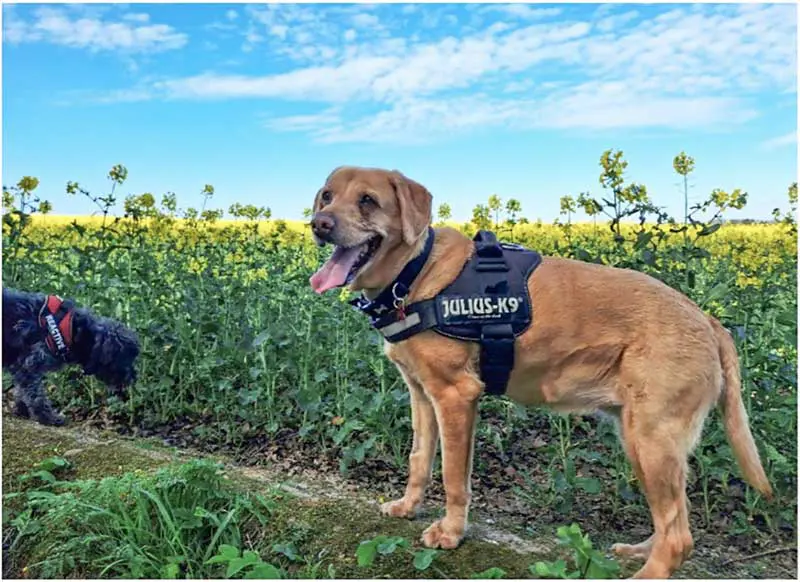
Regular photos of Sabrina throughout her weight loss journey continued to motivate the author, providing a visual record of her progress. Over time, the transformation became strikingly evident, highlighting the significant improvements in her body condition.
Consistency, regular weight monitoring, respecting Sabrina’s pace and addressing her medical conditions enabled steady, yet safe, weight loss.
By July 2025, she had reached 23.2kg with a body condition score of 5/9. Her energy levels improved significantly and her enthusiasm for walks and play was clear. Sabrina began behaving like a puppy again, frequently enjoying “zoomies” in the garden, something that earlier in her journey seemed unlikely.
In conclusion, when conducting weight management clinics (particularly after the festive period), consistency, tailored dietary plans, appropriate exercise and close monitoring is key.
While it’s common for pets to gain a little weight over the holidays, addressing this promptly and helping both the patient and owner get back on track is vital. Sabrina’s case demonstrates the value of structured, nurse-led weight management programmes in supporting pets with obesity.
In practice, veterinary teams can enhance success by providing access to educational materials and engaging displays, offering low-calorie treat alternatives, and positioning weighing scales in waiting areas to encourage owner participation and awareness. By combining these practical strategies with dedicated weight management clinics, veterinary nurses can empower owners, promote sustainable lifestyle changes and significantly improve pet health.
Ellie Kohut has been in practice for seven years, but qualified as an RVN two years ago from Bottle Green Training. With a strong passion for exotic animals, Ellie has recently finished the advanced programme in veterinary nursing small mammal certificate. In addition to her interest in exotics, Ellie enjoys consulting with pet owners and has a keen interest in emergency and critical care, as well as working with geriatric patients.