
20 Feb 2026
A Defra minister has indicated the question will be looked at by regulators.

Allister Webb
Job Title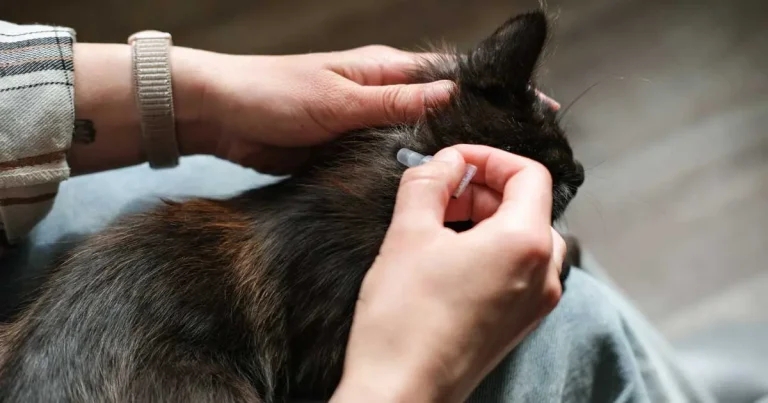
Image: Elen Nika / Adobe Stock
UK medicine regulators should consider reclassifying spot-on pet treatments so they can only be prescribed by a vet, an MP has suggested.
The idea has been raised in a written question to Defra ministers, amid a continuing scientific debate about potential environmental harms linked to parasiticides.
VMD officials argued a sector-wide effort was needed to address those issues during a presentation to London Vet Show delegates in the autumn.
But some vets believe the directorate itself could take stronger action, a point now taken up by the Labour MP Jayne Kirkham.
In a published written question, she asked whether Defra had “assessed the potential merits of asking the VMD to reduce the unrestricted use of spot-on pet treatments by re-classifying them from general sales to POM-V”.
Although products classified as POM-V can only legally be obtained via a prescription from a vet, the VMD has also raised public concerns about illegal sales through social media platforms.
Farming minister Dame Angela Eagle indicated the area was being considered in her response, though she acknowledged the variety of issues that would come into play.
She said: “The Veterinary Medicines Directorate (VMD) is responsible for setting legal distribution categories for veterinary medicines and must balance animal health and welfare, public health, environmental protection and access to treatment.
“Many flea and tick products containing fipronil and imidacloprid are currently classified as AVM‑GSL, allowing supply without professional advice.
“In light of environmental evidence, the VMD is undertaking an evidence‑based review of the distribution categories for these products.
“This includes considering whether requiring professional advice at the point of sale, through a minimum classification of NFA‑VPS, could help reduce environmental risk while maintaining access for pet owners.
“Further details on this review will be available in early 2026. Any future regulatory decisions will follow a transparent, consultative process and will be based on robust scientific evidence, with animal welfare remaining paramount.”